
News
Stay up to date on the latest crypto trends with our expert, in-depth coverage.

1Bitget UEX Daily | US-Iran Ceasefire Talks Advance; S&P 500 First Breaks 7000; TSMC and Netflix Earnings Today (April 16, 2026)2Netflix Q1 2026 Earnings Preview: Can Subscription Growth and Ad Engine Keep Delivering?3TSMC Q1 2026 Earnings Preview: AI Demand Ignites Performance, Poised for Fourth Consecutive Record Profit
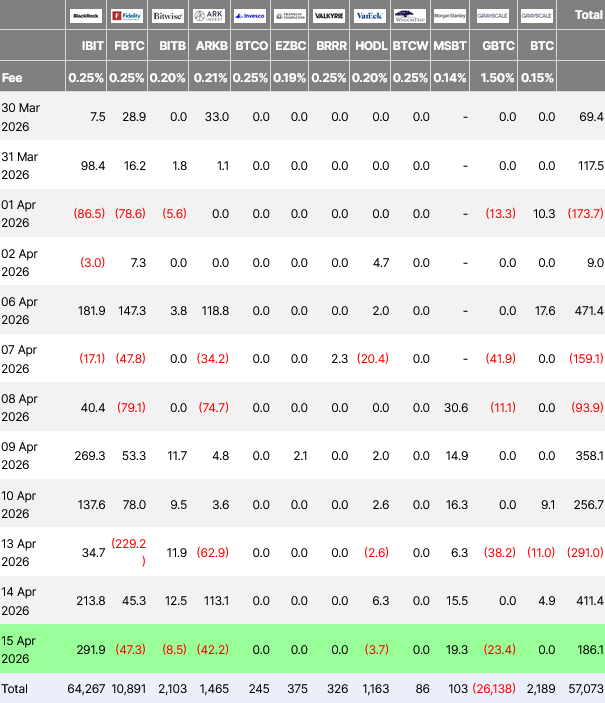
Morgan Stanley’s Bitcoin fund overtakes WisdomTree after 6 trading days
Cointelegraph·2026/04/16 06:03
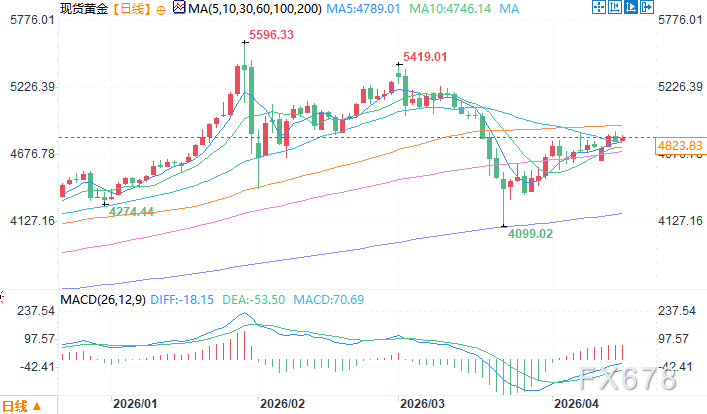
Institution: Gold is a high-quality liquid asset and is playing its proper role
汇通财经·2026/04/16 05:10

SATS (1000SATS) sees 44.9% volatility in 24 hours: Trading volume surges 340%, driving rebound
Bitget Pulse·2026/04/16 05:05
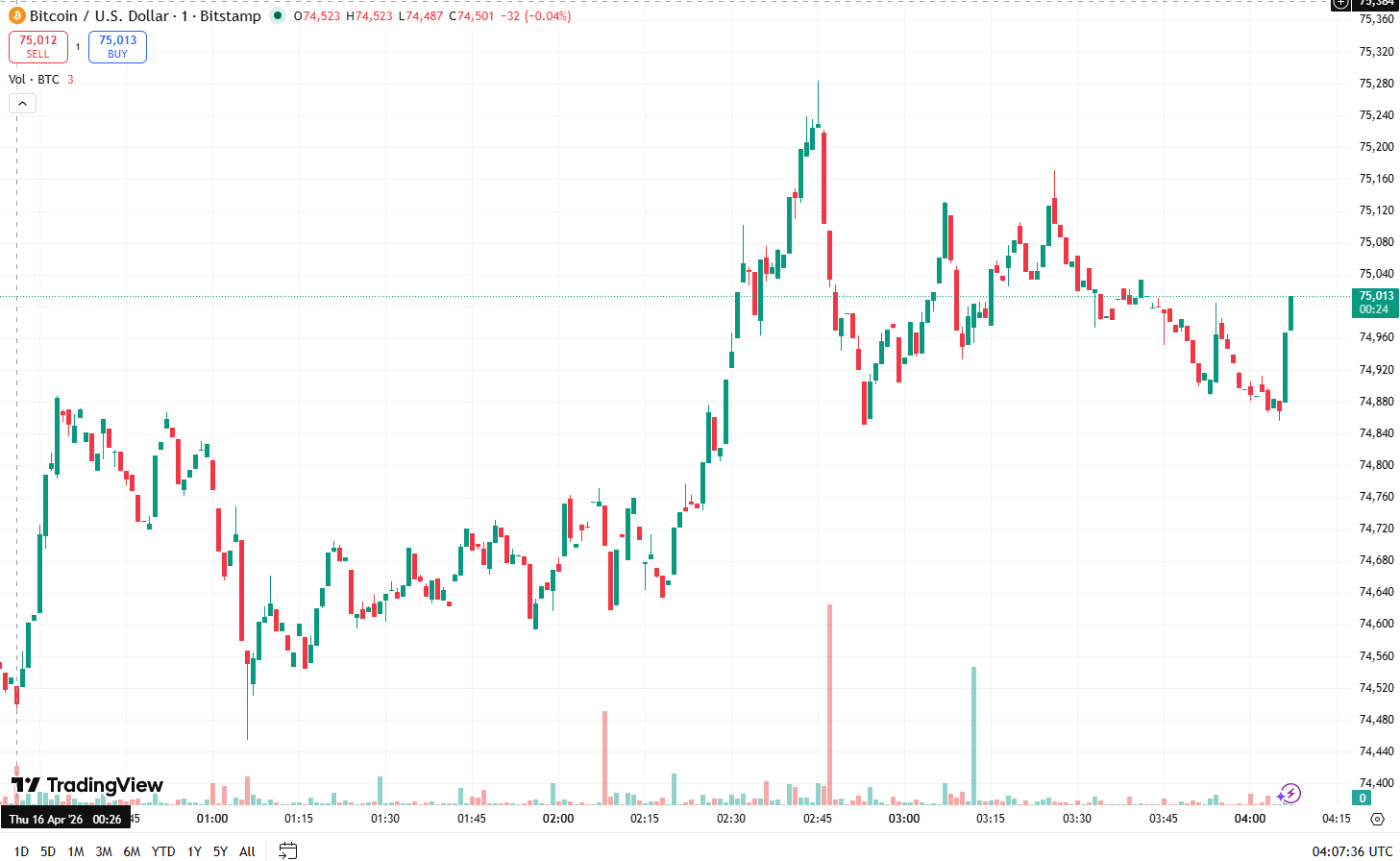
Tech stocks push Nasdaq, S&P 500 to record highs as Bitcoin taps $75K
Cointelegraph·2026/04/16 04:57
ORDI (ORDI) 24-hour volatility reaches 85.7%: Trading volume surges over 10 times, driving a sharp rebound
Bitget Pulse·2026/04/16 03:57
ALCH (AlchemistAI) 24-hour volatility at 58.3%: Surge in trading volume and futures short squeeze drive movement
Bitget Pulse·2026/04/16 03:45
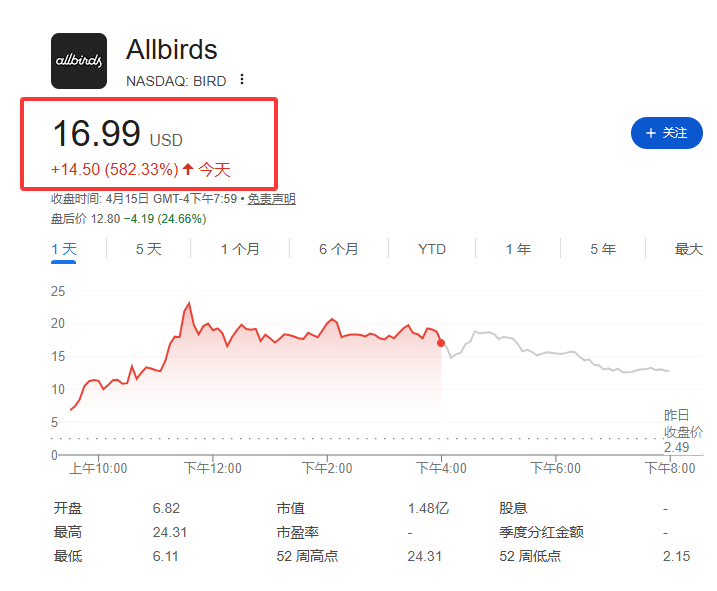
XCX (XelebProtocol) fluctuates 166.1% in 24 hours: trading volume surge triggers sharp price volatility
Bitget Pulse·2026/04/16 03:05
Flash
06:08
The Bank of Japan is highly likely to raise interest rates this quarter, but whether the action will take place in April or June remains debated.BlockBeats News, on April 16, according to a Reuters survey, nearly two-thirds of economists predict that the Bank of Japan will raise its benchmark interest rate to 1% by the end of June. Amid uncertainties brought by the Iran war, the market believes the probability of a rate hike this month or in June is roughly the same. Economists still generally expect the Bank of Japan to tighten policy again this quarter, a view that has remained largely unchanged since the U.S.-Israel war against Iran on February 28. If anything, the conflict has heightened market concerns about rising energy prices, renewed inflationary pressures, and further yen depreciation, thereby strengthening hawkish rate hike expectations. In the survey conducted from April 7 to 14, 46 out of 71 economists (65%) forecast that the policy rate will rise to 1% by the end of June, up from 60% in the March survey and 58% in February. Of the 40 economists who gave a clear timing, 38% chose April and 35% chose June. In last month's survey, support for a June rate hike was highest at 32%, followed by 30% for July and 27% for April. As for after June, the median forecast shows the Bank of Japan will raise borrowing costs to 1.25% in the fourth quarter, slightly earlier than previously expected. The median also suggests the Bank of Japan will raise rates by another 25 basis points to 1.50% in the third quarter of 2027, with rates staying at that level until the year's end, though a few institutions expect it to rise to 1.75%. (Golden Ten Data)
06:05
Goldman Sachs delays its forecast for the European Central Bank's interest rate hikeGolden Ten Data reported on April 16 that Goldman Sachs analysts Sven Jari Stehn and Alexandre Stott have reaffirmed their previous forecast that the European Central Bank will raise interest rates twice this year, but have adjusted their expectations regarding the timing of the hikes. They now anticipate that the European Central Bank will raise rates in June and September, rather than the previously expected April and June. They stated: “We expect energy prices to remain elevated this year, which will likely have a significant impact on inflation in the coming months, and the European Central Bank's overall guidance on the future path of interest rates remains relatively hawkish.” In addition, according to LSEG data, the money markets are also expecting the European Central Bank to raise interest rates twice this year, for a total increase of 50 basis points.
05:55
CertiK founder attends PBW 2026: Global crypto regulatory divergence intensifies, Hong Kong and Brazil become new focal pointsForesight News reported that CertiK co-founder Gu Ronghui was invited to participate in two panel discussions during Paris Blockchain Week (PBW) 2026, sharing his insights on the global landscape of crypto regulation and the direction of industry development. He pointed out that although global crypto regulation is making gradual progress, it remains highly fragmented. There are significant differences in policies across regions, and some compliance requirements are not sufficiently clear, creating challenges for enterprises seeking compliance.Gu Ronghui stated that global crypto regulation has entered a phase of regional exploration, but regulatory bodies still face three fundamental gaps: risk awareness, incident detection, and enforcement response. He revealed that there have been projects that lost tens of millions of US dollars due to hacker attacks, yet local regulators failed to detect these incidents in time, highlighting the lack of adequate awareness of both on-chain and off-chain risks. Regarding regional progress, Gu Ronghui mentioned that Hong Kong has issued its first batch of stablecoin licenses, Brazil plans to introduce a comprehensive compliance framework in October with an accelerated pace, while the United Arab Emirates and Singapore have recently moved towards tighter regulatory policies. Looking ahead, he expects the share of on-chain finance to continue growing, and emphasized the need for the industry to further improve security and compliance infrastructure in parallel.
News