
Johnson & Johnson Settles Tracleer Antitrust Lawsuit for $65M, Sidesteps Trial Over Generic Suppression Claims

Major Antitrust Settlement Reached in Pharmaceutical Lawsuit
In a significant legal development, a federal court in Maryland has given preliminary approval to a $65 million settlement in an antitrust class action involving Johnson & Johnson’s Janssen division and Actelion Pharmaceuticals. This agreement, reached on March 13, 2026, comes just before a lengthy jury trial was set to commence. Johnson & Johnson’s involvement stems from its 2017 acquisition of Actelion.
The lawsuit centered on allegations that Actelion deliberately prevented generic drug manufacturers from obtaining samples of Tracleer, a move that delayed the introduction of lower-cost alternatives for more than three years after the original patent lapsed. Plaintiffs, including the Government Employees Health Association, argued that this strategy led to excessive payments by insurers and consumers, with total overpayments estimated to exceed $100 million. The settlement applies to Tracleer purchases made in 31 states and the District of Columbia from December 2015 through September 2024.
By agreeing to the settlement, Johnson & Johnson sidestepped the unpredictability of a jury trial. The company will pay $65 million without admitting any liability, offering a substantial, yet manageable, recovery for those affected. This outcome also removes a potential financial burden from the company’s balance sheet related to the Tracleer product line.
Understanding the Antitrust Issues and Financial Consequences
The case addressed a specific practice: Actelion allegedly used contractual restrictions to stop its distributors from supplying Tracleer samples to generic competitors. This tactic was crucial, as the FDA requires such samples for bioequivalence testing before generics can be approved. By blocking access, Actelion effectively postponed generic competition for years beyond the patent’s expiration.
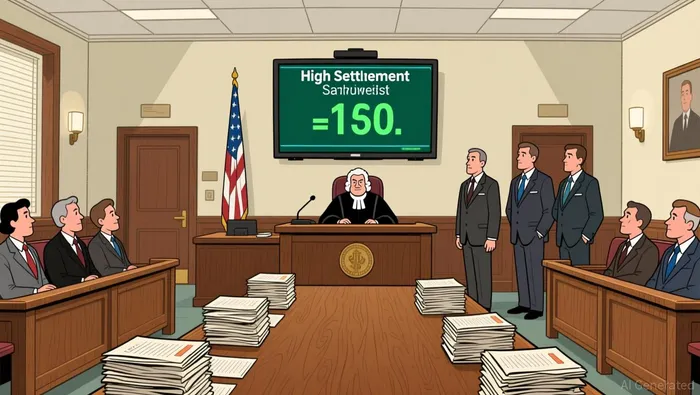
Financially, the $65 million settlement is only a small portion of the alleged hundreds of millions in excess payments made during the delay. This highlights the settlement as a cost-effective resolution to a potentially much larger liability. Had the case gone to trial, the financial consequences for Johnson & Johnson could have been far more severe.
Tracleer, a treatment for pulmonary arterial hypertension, was a major revenue generator for Actelion, bringing in billions annually before its patent expired in December 2015. The alleged conduct was intended to safeguard this profitable market position.
Looking ahead, the risk of immediate generic competition remains low due to ongoing patent protections. The next significant patent expiration for Tracleer is projected for December 2027, providing continued revenue stability for the branded drug. However, this also means that similar legal challenges could arise if generic access is restricted again in the future.
Next Steps and Future Implications
The settlement awaits final approval from the presiding judge in Maryland. While preliminary approval has been granted, the agreement is not yet finalized. The judge will review the terms and may either confirm the settlement or require modifications. If the deal is rejected, the parties could return to negotiations or proceed to trial.

At present, the main risks for Johnson & Johnson are reputational and regulatory. This case is part of a broader trend of legal actions targeting pharmaceutical companies accused of delaying generic competition. The willingness of a major drugmaker to pay a substantial sum to resolve such allegations may encourage further lawsuits and regulatory scrutiny, not only for Tracleer but potentially for other products in the company’s portfolio.
Investors and industry observers should remain alert for additional class action filings or investigations related to similar practices. The strategy of restricting sample access to delay generics is now under heightened scrutiny, and Johnson & Johnson must be prepared to address the increased legal and financial risks this precedent may bring to its future earnings and operations.
Disclaimer: The content of this article solely reflects the author's opinion and does not represent the platform in any capacity. This article is not intended to serve as a reference for making investment decisions.
You may also like
SOL Faces Influx of Exchange Deposits and Security Incident, Market Prospects Remain Unclear

Smart investors increase holdings in Japan ETFs as global tensions challenge ongoing reform efforts

General Motors Sees 9.7% Decline in Q1 Sales Due to Tariff Surge and Severe Winter Weather

uniQure Approaches April 13 Court Deadline Amid Stricter FDA Position on Gene Therapy Study
Trending news
MoreCrypto prices
More





