
Warsh Nomination: The Large Figures Indicate a Surprising Hawkish Turn

Market Turmoil Following Warsh's Nomination
Financial markets responded swiftly and dramatically to the news of Kevin Warsh's nomination, anticipating a significant shift toward more aggressive monetary policy. In the ten days after the January 30 announcement, Bitcoin plummeted by 14%, reflecting widespread anxiety about the future direction of monetary policy. This was not a minor dip, but a substantial retreat from risk assets, fueled by fears of stricter financial conditions.
The impact was felt well beyond the cryptocurrency sector. Traditional safe havens like precious metals experienced their most volatile trading sessions in years. Gold tumbled 11.4%, settling near $4,745 per ounce—its steepest drop in over ten years. Silver suffered an even greater decline, falling 31.4%. These sharp losses in both metals highlight how the nomination shattered expectations of a dovish Federal Reserve, prompting investors to seek refuge in cash and other safe assets.
Bitcoin Trend Overview
Bitcoin (BTCUSD) on Binance was quoted at 67,453.67, up 553.67 points (+0.83%).
Broader Market Reaction
Equity markets also reflected the rush to safety. On the day of the announcement, the S&P 500 dropped 0.4%, while the Nasdaq fell 0.9%. Meanwhile, the U.S. dollar strengthened, signaling expectations of higher interest rates and a move toward safer assets. The synchronized movements across stocks, commodities, and currencies made it clear: investors viewed Warsh as a monetary hawk and responded by selling first and asking questions later.
SPY Momentum Strategy Backtest
- Strategy: Go long SPY when the 252-day rate of change is positive and the closing price is above the 200-day moving average. Exit when the price falls below the 200-day moving average, after 20 days, or when reaching a take-profit of 8% or stop-loss of 4%.
- Backtest Period: April 4, 2024 – April 3, 2026
- Strategy Return: 4.26%
- Annualized Return: 2.36%
- Maximum Drawdown: 9.38%
- Profit-Loss Ratio: 0.92
- Total Trades: 12
- Winning Trades: 7
- Losing Trades: 5
- Win Rate: 58.33%
- Average Hold Days: 16.92
- Max Consecutive Losses: 3
- Average Win Return: 2.59%
- Average Loss Return: 2.68%
- Max Single Return: 3.91%
- Max Single Loss Return: 4.46%
Tighter Policy and Shrinking Balance Sheet
The market's sharp response was rooted in more than just the nominee's name—it was about his well-known policy preferences. Kevin Warsh is recognized for advocating stricter monetary policy, higher real interest rates, and a reduced Federal Reserve balance sheet. This stance stands in stark contrast to the accommodative policies that have buoyed risk assets in recent years. His skepticism toward quantitative easing, especially during the Great Financial Crisis, cemented his reputation as a monetary hawk. Investors quickly anticipated a departure from the unconventional measures that have defined the past decade.
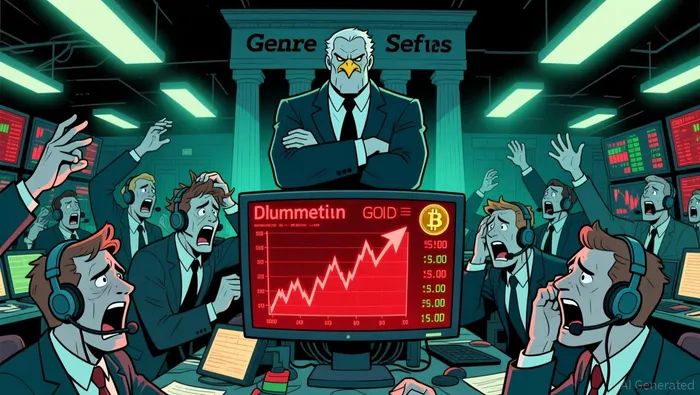
This policy shift puts direct pressure on stock valuations. As the yield on U.S. Treasuries rises, the present value of corporate earnings declines. Warren Buffett famously described this effect: higher rates exert a gravitational pull on financial assets. With the S&P 500 trading at a forward price-to-earnings ratio of about 21, the market is already positioned for sustained low rates and growth. Warsh's preference for higher rates introduces significant risk of repricing.
The result is a flight to safety and a reset of market expectations. The dramatic selloff in gold and silver—their worst day since the 1980s—reflects this theme. Precious metals are valued relative to the dollar and real yields. A hawkish Fed nominee immediately raises the opportunity cost of holding assets that do not generate income. This is not just a matter of sentiment; it is a fundamental shift in how assets are valued.
Confirmation Uncertainty and Oversold Signals
The next major event is the Senate Banking Committee hearing on Warsh's nomination, scheduled for April 16. This hearing is pivotal—it will either cement the hawkish shift feared by markets or reveal political obstacles that could delay it. The main risk is that the hearing exposes a conflict the administration cannot resolve.
Senator Thom Tillis has openly opposed the nomination, stating he will not support Warsh until a separate criminal investigation into the Fed is concluded. This forces the administration into a difficult position: either push forward with Warsh's confirmation or allow the investigation to proceed. By scheduling the hearing, the administration attempts to do both, but this guarantees a confrontation. If Tillis maintains his opposition, the nomination cannot advance out of committee.
The biggest threat to the hawkish outlook is a stalled confirmation process. If the nomination fight drags on, the initial market reaction could reverse as certainty about a hawkish Fed fades. This would increase policy uncertainty and likely trigger a rebound in oversold assets like gold and silver, which recently experienced their worst declines in decades. The market's next move depends entirely on how the administration handles this political challenge.
Disclaimer: The content of this article solely reflects the author's opinion and does not represent the platform in any capacity. This article is not intended to serve as a reference for making investment decisions.
You may also like
uniQure Approaches April 13 Court Deadline Amid Stricter FDA Position on Gene Therapy Study
Kiyosaki Predicts a 2026 Market Downturn: Insights from a Flow Analyst on Leverage Indicators
Picard Medical’s Manipulative Scheme Unveiled as Savvy Investors Withdraw, Legal Storm Approaches
Kyndryl Faces Legal Turmoil: Has the Market Already Accounted for the Worst-Case Scenario?
Trending news
MoreCrypto prices
More





