
Crypto Flow Review: Inflation Echoes of 1974 and Leverage Trends Projected for 2026

Structural Leverage: The Market's Hidden Multiplier
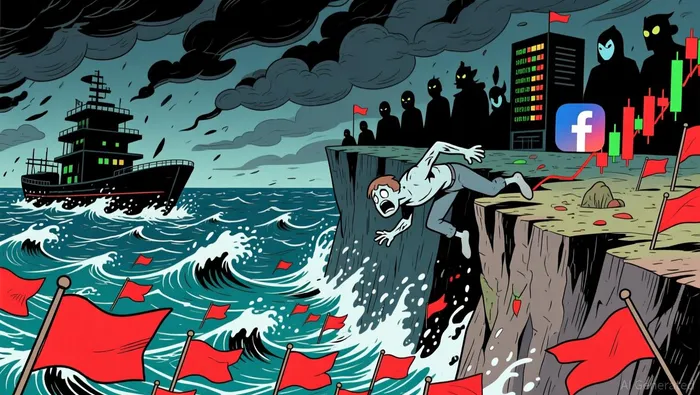
One of the most significant dangers facing today's financial markets is the unprecedented level of structural leverage. This leverage amplifies any downturn, making the system highly sensitive to shocks. According to leverage has reached levels surpassing even those seen in 1929, creating a fragile foundation that heightens the risk of a severe market collapse.
Excessive debt is a clear indicator of a precarious market. Leverage not only boosts profits during good times but also magnifies losses when prices fall. Even minor market movements can trigger forced liquidations and margin calls, setting off a chain reaction throughout the financial system. This dynamic was central to the 1929 crash, and similar warning signals are appearing once again.
The current environment is especially unstable because many investors are unaware of the risks embedded in margin debt, leveraged ETFs, and speculative instruments. When leverage is widespread, the consequences of a downturn can be catastrophic, threatening not just a correction but a systemic meltdown.
Inflation Pressures: Echoes of the 1970s
A historical example of a major economic shock is the 1973 oil embargo, which caused oil prices to soar nearly fourfold in just a few months—a classic supply-side disruption that flooded the global economy with new money. Oil prices jumped from $2.90 to $11.65 per barrel by January 1974, igniting an era of stagflation where inflation and stagnation fed off each other.
Although inflation today is below its 2022 peak, it remains a persistent challenge, straining household finances and increasing business costs. As reported in Americans continue to struggle with elevated prices for essentials like food, healthcare, and car repairs. This ongoing inflationary pressure erodes purchasing power and complicates economic decision-making.
History shows that such shocks can lead to extended periods of weak growth. The oil crisis of 1973, for example, triggered a deep recession that lasted over a year, with unemployment peaking at 9%. The recession stretched from November 1973 to March 1975, demonstrating how a supply shock can break the link between growth and inflation, leaving policymakers with few effective tools.

Liquidity Risks: The Threat of Capital Outflows
The U.S. economy relies heavily on foreign capital, resulting in a persistent current-account deficit and a substantial outflow of dollars. This dependence on external funding creates a structural vulnerability in the financial system. According to the U.S. faces a staggering $70.49 trillion in liabilities, far exceeding its foreign assets and resulting in a net international investment position of -$27.54 trillion. This long-term debt burden could become a major risk if confidence in U.S. assets declines.
The International Monetary Fund has highlighted this issue as a growing concern. In its latest review, the IMF warned that the current fiscal path poses a significant threat to global financial stability. The combination of massive external liabilities and a large fiscal deficit means that any loss of confidence could trigger rapid capital flight, destabilizing the system.
Potential Triggers: What Could Set Off the Next Crisis?
The market is currently in a precarious state, where a sudden shock could ignite a cascade of failures due to excessive leverage. The main risk is not a single event, but a sequence of shocks that ripple through a highly indebted system.
- Energy Price Surges: A sharp increase in energy costs, similar to the 1974 oil embargo, could quickly drive inflation higher. The IMF has identified rising energy prices as a major near-term risk, warning that such a supply shock could inject new money into the economy while raising costs for businesses and consumers. Historical precedent shows that oil prices can quadruple in a matter of months during such events.
- Loss of Confidence in the Dollar: If global investors begin to doubt the U.S. dollar's status as the world's reserve currency, capital could exit rapidly, turning a steady outflow into a destabilizing rush. The ongoing outflow of dollars is a latent risk that could be triggered if investors seek safer alternatives, potentially sparking a crisis in dollar-denominated assets.
SPDR S&P 500 ETF Trust: Market Snapshot
Below is a recent trend chart for the SPDR S&P 500 ETF Trust (SPY), reflecting current market sentiment and price movements.

Conclusion: A Market on the Edge
In summary, the extraordinary leverage present in today's markets dramatically increases the impact of any shock. When the system is weighed down by debt, even moderate disturbances can lead to outsized consequences. The combination of a sudden shock and excessive leverage sets the stage for a crisis, not just a routine correction.
Disclaimer: The content of this article solely reflects the author's opinion and does not represent the platform in any capacity. This article is not intended to serve as a reference for making investment decisions.
You may also like
uniQure Approaches April 13 Court Deadline Amid Stricter FDA Position on Gene Therapy Study

Kiyosaki Predicts a 2026 Market Downturn: Insights from a Flow Analyst on Leverage Indicators

Picard Medical’s Manipulative Scheme Unveiled as Savvy Investors Withdraw, Legal Storm Approaches
Kyndryl Faces Legal Turmoil: Has the Market Already Accounted for the Worst-Case Scenario?

Trending news
MoreCrypto prices
More





