
Intel’s complete acquisition of the Ireland foundry sparks discussions about profit maximization and signals a strong commitment to AI investments

AI Infrastructure Takes Center Stage: Intel's Strategic Buyback
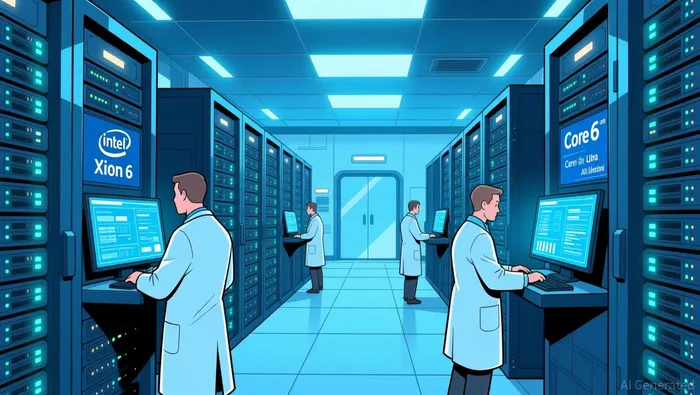
Artificial intelligence infrastructure has become the dominant theme in the market, with leading companies racing to build their capabilities. Intel has made a bold move by repurchasing a 49% share of its Fab 34 facility in Ireland for $14.2 billion. This acquisition marks a significant shift in Intel's approach to manufacturing, as Fab 34 is a vital hub producing large volumes of Xeon 6 and Core Ultra processors—key components powering data centers and AI-driven PCs fueling the current surge.
Industry experts view this as a turning point. Timothy Arcuri of UBS described it as "a major initial step to restore operating leverage in Intel's funding model". By buying out its partner, Apollo, Intel now has complete control over the facility and can capture more of the profits from its own manufacturing. This move is more than a financial adjustment—it's a strategic wager on the ongoing demand for AI chips, which has turned Fab 34 into a lucrative asset. Analysts note that Intel's confidence in this buyback stems from strong visibility into future foundry wins, indicating robust market demand for its products.
Investor enthusiasm quickly followed the announcement. Intel's stock price jumped nearly 17% over the past week, reflecting optimism about the deal's potential to boost earnings per share by 2027. This $14.2 billion transaction positions Intel as a central figure in the AI foundry narrative, transforming a joint venture into a wholly owned asset.
Market Focus and Viral Momentum
Attention in the financial markets is firmly fixed on AI semiconductor developments, and Intel's buyout has become a headline driving investment flows. For two consecutive trading sessions, Intel ranked among the top performers in the S&P 500, signaling a shift in investor sentiment. The story behind the deal is resonating, translating directly into increased activity on the ticker.
This surge comes amid widespread interest in AI and chip stocks. Although traditional search engine traffic is declining, curiosity about AI technologies and infrastructure remains strong. Intel's decisive action fits perfectly into this trend, offering investors a clear opportunity in the expanding foundry sector. By taking full ownership of a critical facility, Intel stands out as a leader in the AI race.
Technical Analysis: Intel's Stock Rebounds
From a technical perspective, Intel's stock has regained its footing, successfully retesting and holding support at $48.50. This level now acts as a foundation for further gains, with the next target set at $53.50. The buyback deal has revitalized the stock, shifting it from a defensive position to a potential breakout candidate. With first-quarter earnings approaching in late April, momentum is currently driven by the deal's visibility and the market's appetite for AI infrastructure investments.
Looking Ahead: Exiting Less Favorable Partnerships
Intel's buyout of Apollo's stake in Ireland is just the beginning. The next major development is expected to be Intel's exit from its partnership with Brookfield Asset Management in Arizona. According to UBS analyst Timothy Arcuri, this arrangement has been "the main brake" on Intel's foundry model, restricting earnings growth and limiting operational control. Leaving this partnership would be a logical next step, potentially unlocking greater value for Intel.
The financial implications are significant. While the exact buyout cost is unknown, UBS estimates the Arizona facility could require $20-30 billion. Despite the hefty price tag, analysts believe Intel can secure the necessary funds. Full ownership would allow Intel to ramp up production more quickly and capture additional value from its chip designs, a crucial advantage as AI demand accelerates.
Investors are now awaiting Intel's next earnings report, scheduled for April 23rd. This will be a key moment for the market to assess Intel's progress. While headline-driven moves have been rewarded, investors are looking for evidence of operational execution. The upcoming results will reveal whether Intel's new funding model is delivering tangible financial benefits. The next major headline could be Intel's exit from the Brookfield partnership, further strengthening its position in AI foundry operations.
Trading Intel's News Cycle: Key Catalysts and Risks
Intel's bullish outlook is clear, but achieving it depends on several near-term events. Traders are betting on the narrative, but the stock's performance will be shaped by concrete catalysts and management's ability to address uncertainties.
- Patience Required: The anticipated boost to per-share profits is expected in 2027, making this a long-term play rather than a quick win. The market has responded to the headline, but investors must wait for the payoff. Any setbacks in interim financials or shifts in AI demand could impact the stock before the target date.
- Brookfield Partnership Exit: Updates on Intel's plan to leave the Brookfield partnership are highly anticipated. UBS has highlighted this as a major obstacle, and any news regarding timing, financing, or progress will be a direct test of Intel's commitment to its foundry strategy.
- FPGA Spinoff: Intel's plan to spin off its FPGA group as an independent company is another strategic move that could unlock value. Traders should monitor updates on this timeline for additional catalysts.
- Market Sentiment: Tracking search trends and news flow around 'Intel foundry' and 'AI chip manufacturing' can help gauge ongoing investor interest. Sustained spikes in these terms would indicate continued momentum, while declining interest could signal emerging risks.
In summary, Intel's recent surge reflects strong market attention, but future gains will depend on management's execution regarding the Brookfield exit, progress on the FPGA spinoff, and the enduring strength of the AI demand narrative. This is a multi-year investment thesis with several near-term checkpoints that will determine the stock's trajectory.

Disclaimer: The content of this article solely reflects the author's opinion and does not represent the platform in any capacity. This article is not intended to serve as a reference for making investment decisions.
You may also like
SOL Faces Influx of Exchange Deposits and Security Incident, Market Prospects Remain Unclear

Smart investors increase holdings in Japan ETFs as global tensions challenge ongoing reform efforts

General Motors Sees 9.7% Decline in Q1 Sales Due to Tariff Surge and Severe Winter Weather

uniQure Approaches April 13 Court Deadline Amid Stricter FDA Position on Gene Therapy Study
Trending news
MoreCrypto prices
More





