
Eli Lilly's introduction of its GLP-1 oral medication and the Medicare price limit present an instant trading opportunity, while Centessa's integration poses potential challenges.

Jim Cramer’s Short-Term Bullish Outlook on Eli Lilly
Jim Cramer has recently expressed optimism about Eli Lilly (LLY), but his enthusiasm is focused on specific short-term developments rather than the company’s broader artificial intelligence ambitions. His positive stance is tied to the company’s upcoming earnings announcement, though he notes that earnings alone haven’t been the main driver for the stock. Instead, Cramer highlights three immediate factors that could propel shares higher:
- Clinical Progress on GLP-1 Drugs: Cramer points to the potential for Eli Lilly to introduce an oral version of its weight-loss medication as soon as next year, a move he believes could dramatically reshape the market.
- Strategic Acquisition: On Tuesday, Eli Lilly revealed plans to acquire Centessa Pharmaceuticals (CNTA) for an upfront payment of $6.3 billion in cash. This acquisition marks Lilly’s entry into the sleep medicine sector, targeting conditions like narcolepsy. Although Centessa’s leading drug is still years from regulatory approval, the deal strengthens Lilly’s pipeline beyond its established diabetes and obesity treatments.
- Major Policy Shift: In November, Eli Lilly reached an agreement with the U.S. government to limit out-of-pocket costs for its obesity medications. Starting as early as April 1, 2026, Medicare recipients will pay no more than $50 per month for Zepbound and orforglipron, pending approval. This policy could open access to nearly 40 million Americans covered by government insurance, vastly expanding the potential customer base.
Cramer’s confidence is rooted in these three near-term catalysts: the anticipated launch of a weight-loss pill, the Centessa acquisition, and the Medicare price cap. These are concrete events that could influence the stock in the coming months, rather than a general endorsement of Eli Lilly’s long-term AI strategy.
Financial Details and Short-Term Implications
The Centessa acquisition represents a significant but calculated investment for Eli Lilly. The company will pay $6.3 billion in cash up front, with the possibility of an additional $1.5 billion if Centessa’s drugs achieve regulatory milestones. This deal structure is common for early-stage biotech takeovers, where future payments are tied to clinical progress. The transaction is expected to close before October, adding a new therapeutic focus to Lilly’s portfolio, though the payoff may be years away.
The most immediate commercial opportunity lies in the GLP-1 pill. Cramer believes that a daily oral version of orforglipron could dramatically expand the market, as it would be more convenient than current injectable treatments and could appeal to patients reluctant to use injections. The Medicare agreement supports this launch, specifically naming orforglipron as eligible for the $50 monthly cap. This paves the way for a strong commercial rollout, with the pill expected to hit the market next year.
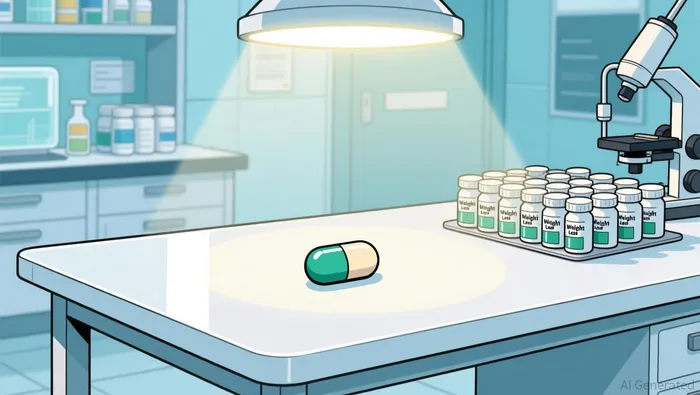
The Medicare policy itself is a powerful growth lever, though it comes with uncertainties. By capping patient costs at $50 per month for Medicare beneficiaries, Lilly removes a major financial barrier for millions of Americans. This could drive substantial long-term sales for both Zepbound and orforglipron. However, the policy’s success depends on FDA approval for orforglipron and the completion of state Medicaid expansion plans, both of which are subject to regulatory and political developments.
Valuation, Risks, and Market Outlook
Eli Lilly’s stock has retreated from its previous highs, dropping below the trillion-dollar market cap it once reached. This pullback may offer an attractive entry point if the short-term catalysts Cramer identified come to fruition. The current investment thesis is event-driven, with the stock’s performance hinging on the outcome of specific upcoming developments rather than a long-term growth narrative.
The main risk lies in successfully integrating Centessa and advancing its drug pipeline. Centessa’s leading candidate is still in mid-stage trials for narcolepsy, and the additional $1.5 billion in potential payments depends on future regulatory approvals. This introduces execution risk and potential capital dilution, which must be balanced alongside Lilly’s core diabetes and obesity businesses.
Key Events to Watch
- Medicare Policy Implementation: Investors should keep an eye on updates regarding the Medicare agreement, which could begin as early as April 1, 2026. The policy’s effectiveness in expanding access to nearly 40 million new patients will depend on regulatory approvals and state Medicaid decisions.
- Clinical Data for Orforglipron: Watch for results from clinical trials of the GLP-1 pill, orforglipron. While Cramer sees transformative potential, the stock’s movement will depend on data confirming the drug’s safety and efficacy ahead of its anticipated launch next year.
In summary, Eli Lilly’s current investment case is driven by upcoming events. While the recent dip in valuation provides some downside protection, the ultimate outcome depends on the successful integration of Centessa, the rollout of the Medicare policy, and the launch of the new pill. Any setbacks in these areas could quickly alter market expectations.
Disclaimer: The content of this article solely reflects the author's opinion and does not represent the platform in any capacity. This article is not intended to serve as a reference for making investment decisions.
You may also like
SOL Faces Influx of Exchange Deposits and Security Incident, Market Prospects Remain Unclear

Smart investors increase holdings in Japan ETFs as global tensions challenge ongoing reform efforts

General Motors Sees 9.7% Decline in Q1 Sales Due to Tariff Surge and Severe Winter Weather

uniQure Approaches April 13 Court Deadline Amid Stricter FDA Position on Gene Therapy Study
Trending news
MoreCrypto prices
More





