
MOIL Sets Quarterly Goal of 900,000 Tonnes: Navigating Tight Supply Amid Growing EV Demand and Recovery in Steel Industry

MOIL's Stock Rally Driven by Expansion Announcements
MOIL's shares experienced a sharp rise, climbing up to 17% on March 17, following the company's declaration of bold production goals for the year. This surge was preceded by an e-auction for oxide grade manganese ore on March 5, highlighting robust demand in the market. These developments suggest MOIL is seizing favorable market conditions, but whether this momentum can be maintained will depend on the company's ability to significantly boost its output.
The optimism surrounding MOIL is largely based on its intention to nearly double its quarterly production. In the third quarter of FY26, MOIL produced 477,000 tonnes of manganese ore. For the current quarter, the company is aiming for 900,000 tonnes—almost twice the previous quarter's figure. Achieving this will require rapid expansion of both mining and processing operations.
In summary, the recent rally in MOIL's stock reflects clear growth ambitions. The successful e-auction indicates strong buyer interest, and the new production targets are designed to meet this demand. However, the company's ability to convert this momentum into lasting financial gains will depend entirely on its execution of the planned production increase. The upcoming quarters will reveal whether MOIL can deliver on its ambitious promises.
Shifting Demand: Electric Vehicles vs. Steel Industry Challenges
MOIL's recent sales growth is unfolding in a market shaped by two contrasting trends. On one hand, the electric vehicle (EV) industry is fueling new demand for manganese, while on the other, ongoing weakness in the steel sector continues to put downward pressure on prices.
The positive outlook comes from the automotive industry's move toward battery technologies rich in manganese, such as lithium-manganese-iron-phosphate (LMFP). Automakers are increasingly favoring these chemistries to lower costs and reduce dependence on nickel and cobalt. This shift is expected to drive a rebound in manganese demand well into the next decade, offering MOIL a valuable opportunity to diversify its customer base.
However, this growth story is currently overshadowed by sluggish demand from China's steel industry, which remains the largest consumer of manganese ore. Weakness in this sector, particularly due to reduced demand for steel rebar linked to China's real estate slowdown, has led to oversupply and suppressed prices. For example, manganese sulphate prices declined in the last quarter of the previous year as a result.
MOIL's recent decision to raise prices by 5% across most grades for February 2026 signals confidence in current demand. This move suggests that rising EV-related demand and potential recovery in other steel markets may be starting to outweigh the persistent oversupply from China. The price increase reflects MOIL's belief that the demand landscape is shifting in its favor.
Ultimately, MOIL faces a balancing act between promising growth from the EV sector and ongoing challenges in the steel market. The company's ability to sustain sales and maintain pricing power will depend on whether new battery-related demand can consistently offset the cyclical downturn in steel, especially as major competitors like South32 ramp up production. For now, the recent price hike points to strengthening market conditions.
Expansion Plans and Market Share Goals
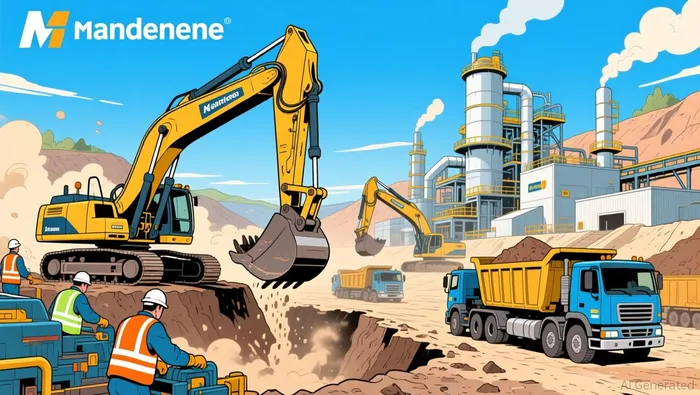
MOIL's recent growth in sales is underpinned by a strategic plan to expand its operations and increase its share of the global manganese market. The company has committed significant capital, with the board approving five new shaft sinking projects totaling Rs 886 crore. These projects, which include mines such as Dongri Buzurg and Chikla, are intended to both sustain and boost production, setting the stage for MOIL's ambitious future targets.
The company is aiming to more than double its manganese ore output by FY30 compared to FY25 levels. Specifically, MOIL plans to increase production from the current 2.35 million tonnes to 3.5 million tonnes by the end of the decade. The recent quarterly target of 900,000 tonnes is a key milestone toward achieving this long-term goal.
This production increase is closely linked to MOIL's ambition to expand its market share from 20% to 32% by 2030. This substantial jump reflects a strategy not only to grow in absolute terms but also to capture a larger portion of the global supply chain. The investment in new shafts marks the first concrete step toward this vision, aiming to transform MOIL's operational strengths into market leadership.
In essence, MOIL is channeling its resources into a bold, forward-looking strategy. The Rs 886 crore investment in new infrastructure demonstrates its commitment to doubling output and expanding its global presence. For the recent stock rally to be sustained, MOIL must now prove it can deliver on these expansion plans both on time and within budget, turning its ambitious targets into consistent production and market dominance.
Key Drivers, Potential Risks, and Areas to Monitor
MOIL's journey from setting ambitious goals to achieving lasting success will depend on several critical factors that investors and observers should watch closely.
- Chinese Steel Demand: The most significant influence on global manganese ore prices and inventory remains the demand from China's steel industry. Recent market fluctuations have been largely driven by weakness in this sector, leading to oversupply and subdued prices. Any sustained recovery in Chinese steel output will be crucial for absorbing increased supply from MOIL and other producers, helping to stabilize prices. Continued weakness, however, could squeeze margins and result in rising inventories.
- Execution of Expansion Projects: MOIL's ability to deliver on its capital investment plan is vital. The company has approved five new shaft projects worth Rs 886 crore to support its production targets. The speed and efficiency with which these projects are completed will determine whether MOIL can meet its near-term goal of 900,000 tonnes per quarter and its longer-term ambitions. Delays or budget overruns could undermine the entire growth strategy.
- Long-Term Demand Shifts: While the move toward manganese-rich batteries in the EV sector offers a promising future, the steel industry still accounts for the majority of manganese demand. There is a risk that MOIL's focus on battery-related growth could outpace actual demand from this segment. For now, the company's recent price increase indicates confidence in current demand, but the ultimate balance will depend on the steel sector's recovery and the pace at which major producers like South32 return to the market.
In conclusion, MOIL's future performance will be shaped by its ability to navigate these challenges and capitalize on emerging opportunities. The company's recent actions and investments reflect a clear vision for growth, but execution and market dynamics will ultimately determine its success.
Disclaimer: The content of this article solely reflects the author's opinion and does not represent the platform in any capacity. This article is not intended to serve as a reference for making investment decisions.
You may also like
uniQure Approaches April 13 Court Deadline Amid Stricter FDA Position on Gene Therapy Study

Kiyosaki Predicts a 2026 Market Downturn: Insights from a Flow Analyst on Leverage Indicators

Picard Medical’s Manipulative Scheme Unveiled as Savvy Investors Withdraw, Legal Storm Approaches

Kyndryl Faces Legal Turmoil: Has the Market Already Accounted for the Worst-Case Scenario?

Trending news
MoreCrypto prices
More





