
Applied Digital Rises as Optimism Over Iran De-escalation Enhances AI Infrastructure Prospects

Global Markets Surge on Diplomatic Hopes
Global financial markets experienced a powerful upswing following a pivotal diplomatic gesture. President Trump’s remarks on Tuesday, suggesting that the conflict with Iran might conclude within two to three weeks, set off a worldwide rally. The S&P 500 soared by 2.9%, marking its biggest single-day advance in almost a year. This momentum was not limited to the U.S.—Asian markets posted their most substantial daily gains since November 2002, with South Korea’s Kospi leaping 9% and Japan’s Nikkei rising about 5%.
The rally quickly spread to Europe, where the STOXX 600 index climbed 2.2%. Bond markets also reacted, with German bund yields dropping and the U.S. dollar weakening. A major factor behind the optimism was the anticipation of resumed energy shipments. Oil prices, which had been elevated since the onset of hostilities, dropped by roughly 3% on Wednesday as traders anticipated that easing tensions would reduce risks at the vital Strait of Hormuz.
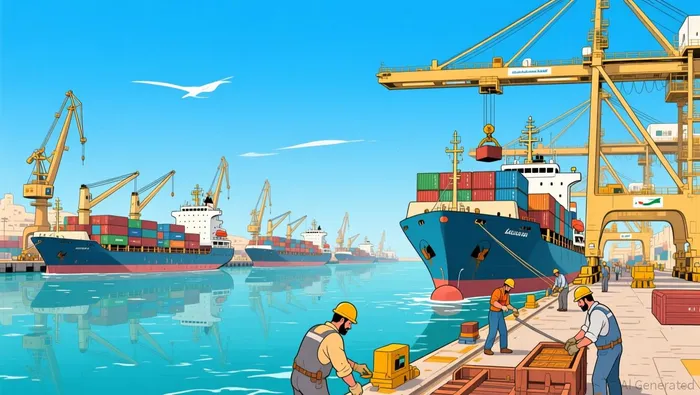
Despite the exuberance, underlying risks remain. Even as stocks rallied, news emerged that Iran had turned down a U.S.-supported 48-hour ceasefire proposal, highlighting ongoing diplomatic challenges. This disconnect underscores the market’s reliance on optimistic political signals, even as real-world negotiations face obstacles. The current rally is thus a classic example of markets reacting to a potential positive trigger, while the actual situation remains unresolved.
Sector Impact: Who Benefits and Who Doesn’t?
While the geopolitical rally has lifted the overall market, its effects on individual companies vary greatly depending on their business models and exposure to global events. Three firms exemplify these differences:
- Virgin Galactic: As a company largely unaffected by global trade disruptions, Virgin Galactic’s recent performance has been driven by internal factors. Over the past six months, its stock has fallen about 41%, weighed down by negative cash flow of $460 million over the last year. A recent downgrade to “sell” reflects ongoing concerns about its financial health. For Virgin Galactic, the broader market rally is largely irrelevant; its future depends on meeting test flight milestones and progressing toward commercial launches, not on geopolitical developments.

- Applied Digital: In contrast, Applied Digital stands to gain from reduced geopolitical tensions. The company is investing heavily in AI infrastructure, including its Polaris Forge 2 Campus, backed by $2.15 billion in debt. Stable global trade is crucial for such large-scale, tech-driven projects. The upcoming fiscal third-quarter report on April 8 will be a key moment for investors to assess progress. As hopes for de-escalation rise, the risk premium on Applied Digital’s long-term plans may decrease, providing a boost to its growth narrative.
- Beyond Meat: For Beyond Meat, internal challenges overshadow external events. The company’s quarterly sales dropped to $61.59 million, and it faces significant issues with inventory controls. Its cautious outlook for 2026 and delayed financial results signal a focus on stabilization rather than expansion. For Beyond Meat, geopolitical shifts have little impact; its stock performance hinges on restoring revenue growth and resolving financial reporting weaknesses.
Valuation and Risk: Navigating a Volatile Environment
The recent surge in equities is essentially a wager on diplomatic progress. The magnitude of the rally suggests that investors are betting on a quick resolution, but this optimism is not without risk. Historically, major market downturns are more often triggered by domestic economic problems than by international conflicts. Since the war began, the S&P 500 has only declined 4.31% since February 28, indicating that much of the initial shock has already been absorbed. The latest rally reflects renewed optimism rather than a fundamental reassessment of the conflict’s economic impact.
The biggest risk is that the diplomatic divide proves too wide to bridge in the near term. The market’s gains are built on the hope that President Trump’s two-to-three-week timeline will materialize. However, with Iran’s rejection of a U.S.-backed ceasefire, there is a clear gap between political statements and the situation on the ground. Investors are essentially betting that this gap will close quickly.
Key factors to monitor include the outcome of direct negotiations and whether the U.S. escalates its response, which could swiftly reverse market sentiment. Current valuations already reflect expectations of a positive outcome; any indication that the conflict will drag on or intensify could prompt a sharp correction. The risk/reward balance is skewed: while much of the upside from a peaceful resolution has been realized, the potential downside from renewed tensions remains significant.
Disclaimer: The content of this article solely reflects the author's opinion and does not represent the platform in any capacity. This article is not intended to serve as a reference for making investment decisions.
You may also like
SOL Faces Influx of Exchange Deposits and Security Incident, Market Prospects Remain Unclear

Smart investors increase holdings in Japan ETFs as global tensions challenge ongoing reform efforts

General Motors Sees 9.7% Decline in Q1 Sales Due to Tariff Surge and Severe Winter Weather

uniQure Approaches April 13 Court Deadline Amid Stricter FDA Position on Gene Therapy Study
Trending news
MoreCrypto prices
More





