
Samsung and Apple Set to Lead AI-Powered Memory Market While Budget OEMs See Over 50% Drop in Sales

Smartphone Industry Faces Major Disruption
The global smartphone sector is undergoing a significant upheaval. Jefferies has sounded an alarm, predicting that worldwide smartphone shipments will plummet by 31% in 2026, reaching just 867 million units. This revised outlook is a sharp departure from their previous estimate of a 12% decline, highlighting a dramatic shift in the industry's growth prospects. The primary cause is a sudden and intense shortage of memory chips, a key component for smartphones.
This shortage is being driven by a new and powerful demand. Jefferies reports that servers now account for 60-70% of memory chip consumption—a remarkable change from recent years. The surge in demand from AI data centers has sent memory chip prices soaring, with quarter-on-quarter increases of 70% and some NAND chips rising by 80% in the first quarter alone. The bank anticipates that prices will continue to climb, with second-quarter increases potentially reaching 50% or more.
While supply shocks are not new, this one is unique. The industry's resources are being diverted from consumer electronics to meet the needs of hyperscale AI infrastructure. This shift is directly impacting smartphone profitability and shipment forecasts. Other analysts, such as Counterpoint Research, also foresee a steep decline, projecting a 12% year-over-year drop—the largest ever recorded. However, Jefferies' 31% forecast suggests that rising memory costs are causing deeper disruptions than previously anticipated.
Market Shake-Up: Who Gains and Who Loses?
The spike in memory costs is reshaping the competitive landscape, not just affecting revenues. As prices for essential components like LPDDR5 DRAM and NAND flash escalate, the gap between industry winners and losers widens. Low-cost Android manufacturers are bearing the brunt, with Jefferies predicting that OPPO, vivo, and Transsion will see their shipment volumes fall by 45% to 52%. These brands, which depend on high sales volumes and slim margins, are being squeezed out by rising costs.

In contrast, major integrated players stand to benefit. Samsung and Apple are expected to increase their market shares, with Jefferies projecting gains of 7 and 5 percentage points, respectively. Samsung's vertically integrated supply chain ensures a steady supply of memory chips, while Apple's customer base is less sensitive to price increases, allowing the company to absorb and pass on higher costs. This scenario echoes past industry cycles, where control over critical components provided a competitive edge.
Looking back at the DRAM wars of the 1980s, supply shortages and pricing power favored integrated manufacturers over pure-play competitors. Today, the same dynamic is at play: those with scale and integration are best positioned to weather the storm, while others face steep declines in volume.
Uneven Price Increases: Two Diverging Markets
The financial strain from the memory shortage is not distributed evenly. For device makers, the cost escalation is particularly harsh for those without integrated supply chains. Jefferies estimates that memory expenses for a typical Android phone will rise by approximately 3.6 times year-over-year, while Apple's increase is expected to be around 4.2 times. This disparity underscores Apple's greater ability to manage and transfer costs, a luxury not afforded to most Android manufacturers.
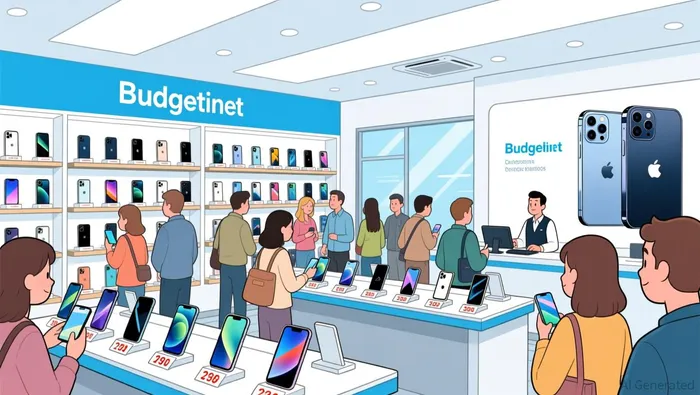
Consumers are already feeling the impact. The average selling price of smartphones is projected to jump 14% this year, reaching a record high of $523. This price surge signals a fundamental shift: according to IDC, manufacturers will no longer be able to produce phones under $100, effectively eliminating the budget smartphone segment that has fueled growth for many Asian brands.
The market is splitting in two. Premium brands can raise prices and protect their margins, while others face a tough choice between reducing volumes or accepting razor-thin profits. The financial consequences of this market realignment are clear: only those able to command higher prices will survive, while others struggle to stay afloat.
Challenges Ahead: Searching for Relief
The outlook for the smartphone market remains uncertain and challenging. The memory shortage is a structural issue, not a temporary setback, and analysts expect it to persist well into 2027. The earliest signs of recovery for consumer devices may not appear until late 2027, depending on whether new memory production capacity can be brought online.
Stabilizing the market will require Samsung, SK Hynix, and Micron—the three leading memory manufacturers—to ramp up production of DRAM and NAND chips used in smartphones. This process demands substantial investment and time to build new facilities. If successful, the supply imbalance could ease, allowing prices to stabilize and giving device makers some relief. However, this scenario remains uncertain and is considered the best-case outcome.
A greater risk is that the surge in AI-driven demand is a lasting shift rather than a temporary cycle. Unlike previous semiconductor booms, which eventually subsided as supply caught up, the current demand is rooted in a fundamental change in computing. As Jensen Huang has observed, the memory requirements for AI are growing rapidly, setting a new baseline for consumption. If the industry continues to prioritize AI infrastructure, the pressure on consumer electronics could persist for years.
In summary, the smartphone market faces a prolonged period of difficulty. Recovery depends on future developments that are both distant and uncertain. The traditional cycles of boom and bust offer little comfort, as the current disruption is driven by new forces that may permanently reshape the supply chain. Relief is likely more than a year away, and the risk of an extended squeeze remains high.
Disclaimer: The content of this article solely reflects the author's opinion and does not represent the platform in any capacity. This article is not intended to serve as a reference for making investment decisions.
You may also like
Veteran Investor: I Have This Strange Feeling That XRP Is About to Do Something Stupid Again
Ethereum nears $2,000 as technical and on-chain analysis highlight accumulation zones
The Timeless Resilience: An In-Depth Chronicle of the Japanese Yen — From 360 to the Era of Carry Trade
Grayscale’s Q1 2026 Report Shows AI Crypto Lost Less Than Every Other Sector While the Market Bled
Trending news
MoreCrypto prices
More





