

Following the acceptance of a ceasefire, Iranian authorities have turned their attention to the potential revenue from ship transits through the strategic strait. Iran had previously announced a transit fee of $2 million per vessel, but developments have taken a new turn with speculation over payment methods and discussions involving both the United States and Iran regarding revenue sharing—though nothing has been finalized.
Iran considers accepting Bitcoin payments from ships passing through its waters after ceasefire agreement
By:Cointurk
Bitget offers one-stop trading for cryptocurrencies, stocks, and gold. Trade now!
A welcome pack worth 6200 USDT for new users! Sign up now!
Iran explores cryptocurrency payments
According to the Financial Times, Hamid Hosseini, spokesperson for the Iranian Oil, Gas and Petrochemical Products Exporters’ Association, stated that Iran is considering accepting Bitcoin as a payment option from vessels transiting the strait. Iran has for some time allowed exporters to use cryptocurrencies to circumvent international economic sanctions. The only stipulation has been that Bitcoin acquired for such payments must come from domestic miners.
Potential impact on global Bitcoin demand
If Iran proceeds with Bitcoin-based payments for maritime transit, it could create significant demand—estimated at $2 million in Bitcoin per ship. With 130 to 140 ships passing through on an average day, this translates to considerable daily volumes. The notion that major shipping companies would need to hold substantial amounts of Bitcoin for transaction purposes has already sparked speculation that this could exert upward pressure on cryptocurrency prices.
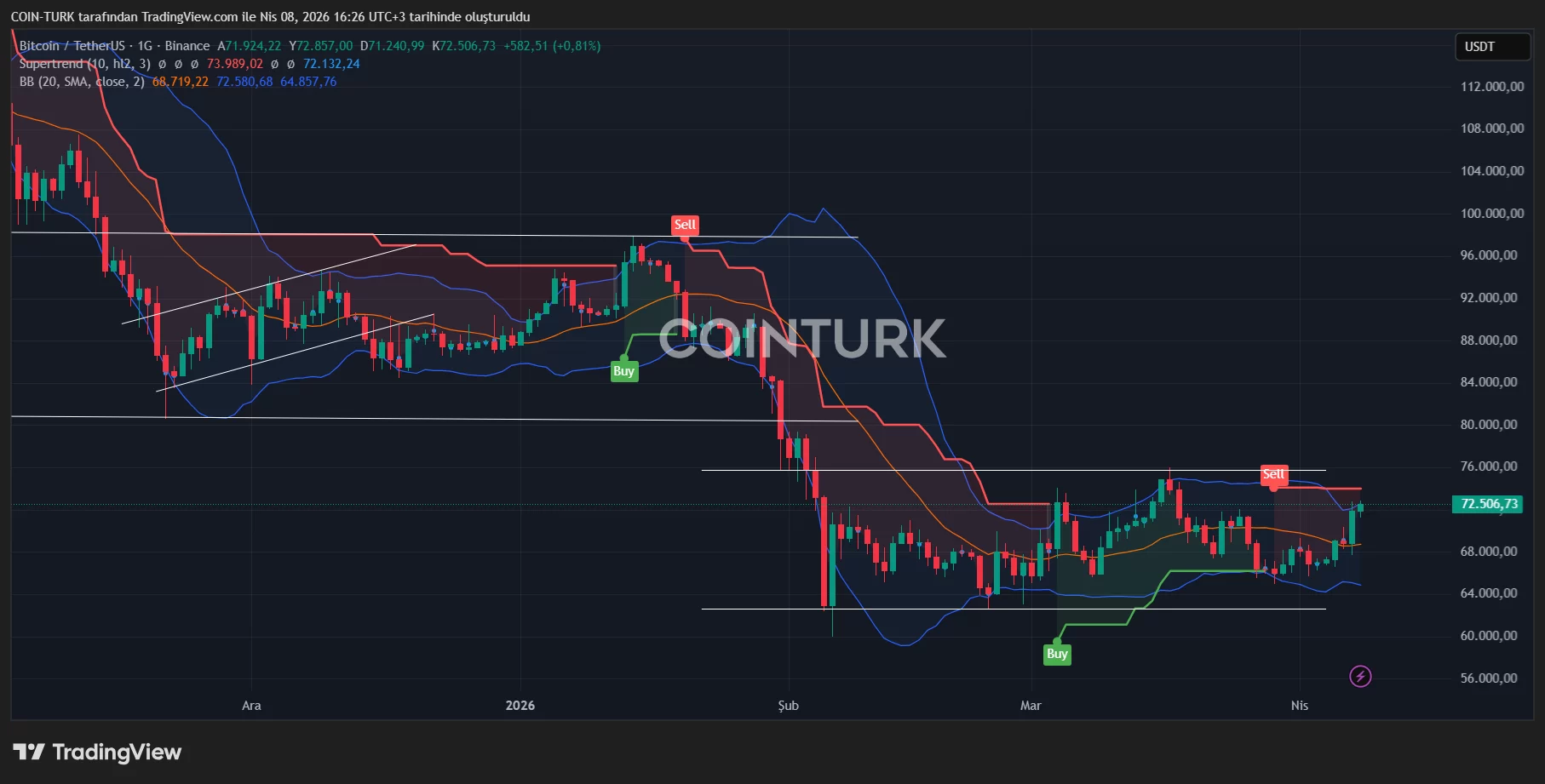
Such a payment structure would not only leverage the technological advantages of blockchain but also serve Iran’s aim to reduce its exposure to traditional financial channels, which are often subject to international controls. Industry observers are closely watching how this innovative approach may alter the dynamics of both maritime trade and the digital asset market.
Meanwhile, a new update indicates that Iran is considering a variable transit fee based on cargo, rather than a flat rate per vessel. Sources say the fee could be set at one dollar per barrel of cargo, which would mean transit costs ranging from $350,000 to $2 million per ship, depending on capacity and cargo volume.
Trump has hinted that both the United States and Iran should mutually benefit from the collected transit fees, although no concrete agreement has been reached on this point.
The move comes at a time when geopolitical tensions have placed increasing pressure on traditional global payment networks. Cryptocurrencies, being decentralized and inherently less susceptible to government controls, present an attractive alternative for countries like Iran seeking to maintain vital economic flows.
Shipping industry analysts note that if mainstream adoption of cryptocurrency payments were to occur for such high-value transactions, it could further legitimize Bitcoin’s role as a medium of exchange in global trade. Shipping operators, meanwhile, are weighing the potential risks and benefits amid ongoing uncertainty over regulatory stances and currency volatility.
International shipping companies, especially those conducting significant business through the region, may need to adjust their financial practices to facilitate cryptocurrency transactions, including compliance with local Iranian requirements for sourcing Bitcoin from within the country.
The prospect of cryptocurrency-based transit payment systems in one of the world’s most strategically important waterways has sparked debate among economists and policymakers, who are considering the broader implications for the future of global transactions and sanctions enforcement.
As discussions continue, all eyes remain on negotiations between the United States and Iran, as well as the response from the wider international shipping and finance sectors. The policy’s implementation and its ripple effects on both maritime economics and the cryptocurrency market will become clearer as further details emerge.
0
0
Disclaimer: The content of this article solely reflects the author's opinion and does not represent the platform in any capacity. This article is not intended to serve as a reference for making investment decisions.
Understand the market, then trade.
Bitget offers one-stop trading for cryptocurrencies, stocks, and gold.
Trade now!
You may also like
Crypto market update: PI outshines major altcoins as crypto market nears $2.7T
Crypto.News•2026/04/26 14:30
Analyst Who Called Bitcoin's Top Correctly Now Predicting The Bottom
Newsbtc•2026/04/26 14:18

Can Consensus 2026 spark Pi Network’s next move?
Crypto.News•2026/04/26 14:12
Ex-Ripple CTO Drops Bombshell Statement That Shocks XRP Army
TimesTabloid•2026/04/26 14:06
Trending news
MoreCrypto prices
More
Bitcoin
BTC
$78,109.57
+0.54%

Ethereum
ETH
$2,349.31
+1.39%

Tether USDt
USDT
$1
+0.01%

XRP
XRP
$1.43
-0.07%

BNB
BNB
$632.39
+0.12%

USDC
USDC
$0.9999
+0.02%

Solana
SOL
$86.44
-0.17%

TRON
TRX
$0.3237
+0.17%

Dogecoin
DOGE
$0.09888
+0.58%

Hyperliquid
HYPE
$41.18
-0.73%
How to buy BTC
Bitget lists BTC – Buy or sell BTC quickly on Bitget!
Trade now
Become a trader now?A welcome pack worth 6200 USDT for new users!
Sign up now