

Ripple’s ambition to revolutionize global payment systems is once again at the forefront. Recent data and institutional developments suggest a major shift could soon reshape the infrastructure of cross-border finance. In this evolving landscape, the role of XRP is more hotly debated than ever—as both an alternative and complement to traditional financial networks.
Ripple-powered xrp cuts cross-border transfer costs by 60 percent
By:Cointurk
Bitget offers one-stop trading for cryptocurrencies, stocks, and gold. Trade now!
A welcome pack worth 6200 USDT for new users! Sign up now!
Ripple targets the heart of global finance
Analyses referencing a document by the Financial Planning Association highlight that Ripple’s main strategy is to position XRP at the core of international payment systems. This vision offers a direct alternative to SWIFT, the network that has formed the backbone of global banking transactions for decades.
SWIFT faces efficiency and liquidity challenges
Today, the SWIFT network connects over 11,500 financial institutions worldwide and supports daily transaction volumes exceeding $5 trillion. Despite this scale, SWIFT doesn’t actually move money; instead, it serves as a secure messaging infrastructure that conveys payment instructions between banks.
This structure can result in delays in completing transfers. Additionally, because banks must hold pre-funded accounts in various countries, costs can go up and capital often sits idle without generating returns.
The limitations of SWIFT’s messaging-only model lead to delays and extra costs, while the XRP-based approach is built for direct value transfer.
XRP delivers instant transfers and liquidity benefits
Ripple’s model relies on XRP as a bridge asset. With this framework, financial institutions can convert local currencies into XRP, move value across borders within seconds, and then exchange the XRP for the destination country’s currency.
This method enables nearly real-time settlement and eliminates the need to hold funds in multiple foreign accounts. The result is less idle capital and more efficient liquidity use across different payment corridors.
Pilots reveal big cost cuts and a hybrid future
Recent developments show that this model is moving from concept to implementation. Pilot programs with select banks in Japan indicate the use of XRP-based transactions can reduce costs by up to 60% compared to traditional approaches.
If these outcomes can be replicated at scale, especially in high-volume payment routes, the entire landscape of cross-border settlements could undergo a significant transformation.
At the same time, the connection between Ripple and SWIFT goes beyond simple rivalry. Ripple Treasury is reportedly positioning SWIFT as a potential strategic partner, suggesting that traditional finance infrastructure and blockchain-powered solutions might soon co-exist in hybrid models.
Ripple’s aim is not to replace current systems entirely, but rather to enhance them. By integrating XRP-powered liquidity into existing financial frameworks, Ripple positions itself as both a competitor and a collaborator in the evolving world of cross-border payments.
0
0
Disclaimer: The content of this article solely reflects the author's opinion and does not represent the platform in any capacity. This article is not intended to serve as a reference for making investment decisions.
Understand the market, then trade.
Bitget offers one-stop trading for cryptocurrencies, stocks, and gold.
Trade now!
You may also like
Litecoin rewrites three hours of history to undo its first major privacy-layer exploit
The Block•2026/04/25 20:54
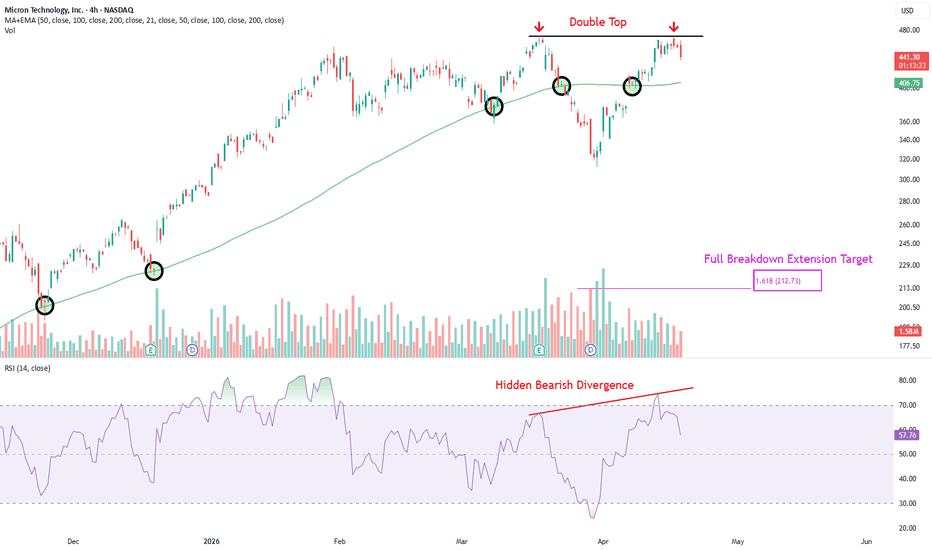
MU - $500 Reached
TradingView•2026/04/25 20:45
Bitwise XRP ETF inflows hit $426 million in single day
Cointurk•2026/04/25 20:42
Crypto shifts focus from people to machines in new era
Cointurk•2026/04/25 20:30
Trending news
MoreCrypto prices
More
Bitcoin
BTC
$77,434.21
-0.32%

Ethereum
ETH
$2,312.34
-0.58%

Tether USDt
USDT
$1
-0.01%

XRP
XRP
$1.42
-1.34%

BNB
BNB
$629.28
-1.37%

USDC
USDC
$0.9997
-0.02%

Solana
SOL
$85.86
-1.13%

TRON
TRX
$0.3242
+0.01%

Dogecoin
DOGE
$0.09788
-0.66%

Hyperliquid
HYPE
$41.42
-0.13%
How to buy BTC
Bitget lists BTC – Buy or sell BTC quickly on Bitget!
Trade now
Become a trader now?A welcome pack worth 6200 USDT for new users!
Sign up now