

Financial authorities in Belarus have officially authorized 26 cryptocurrencies for regulated trading, following formal approval procedures. The list, published in the capital city Minsk, includes not only top market cap cryptocurrencies but also key stablecoins and several popular altcoins.
Belarus approves banking for 26 major crypto tokens
By:Cointurk
Bitget offers one-stop trading for cryptocurrencies, stocks, and gold. Trade now!
A welcome pack worth 6200 USDT for new users! Sign up now!
New digital asset regulation and coverage
So-called “crypto banks,” which combine traditional banking and crypto exchange services, can now legally operate with the 26 approved digital tokens in Belarus. The Belarus High Technology Park, a specialized economic zone dedicated to high-tech companies, announced the decision. The park’s Supervisory Board, one of Central and Eastern Europe’s largest IT clusters, approved the list.
Among the approved assets are high market cap coins like Bitcoin (BTC), Ethereum (ETH), XRP, and Binance’s BNB, as well as globally used stablecoins such as Tether (USDT) and Circle’s USDC. Popular meme coins like Dogecoin (DOGE) and Shiba Inu (SHIB) have also been included among the assets selected by financial authorities.
Alexander Egorov, Deputy Chairman of the Central Bank of Belarus, emphasized that the list is not final, and regulators plan to update it over time based on asset volatility and market volumes.
Newly prominent coins such as Toncoin (TON), which have recently garnered significant investor attention and shown major price increases, are also among the approved assets. However, some major coins, including Zcash (ZEC), Monero (XMR), Canton (CC), and Stellar (XLM), were notably excluded from the list, despite being in the global top 20 by market capitalization.
Impact of crypto banks and emerging platforms
The publication of the approved crypto asset list follows a presidential decree signed in January by Belarusian President Alexander Lukashenko, titled “On Certain Issues Regarding Crypto Banks and Digital Tokens.” The new regulation aims to reinforce the nation’s leadership in information and financial technology.
Under these regulations, both the Central Bank and the High Technology Park’s Supervisory Board will oversee the country’s evolving crypto finance sector. Any institution seeking a crypto banking license must be formally registered within the Park and added to the Central Bank’s special registry.
Known as the country’s “Silicon Valley,” Belarus High Technology Park provides various legal and tax benefits to technology firms. A 2017 presidential order, which launched in 2018, had already legalized cryptocurrencies in Belarus, regulating activities from mining to trading.
New opportunities for crypto transactions
With these recent regulatory changes, crypto banks are now authorized not only to trade internationally recognized cryptocurrencies but also digital tokens issued within the Park. These next-generation tokens can be utilized for deposits, transfers, lending, staking, and custody services, merging conventional banking with modern blockchain innovations.
Furthermore, institutions will now be legally able to help their clients launch their own tokens. This move paves the way for broader, transparent, and regulated use of crypto assets within Belarus.
0
0
Disclaimer: The content of this article solely reflects the author's opinion and does not represent the platform in any capacity. This article is not intended to serve as a reference for making investment decisions.
Understand the market, then trade.
Bitget offers one-stop trading for cryptocurrencies, stocks, and gold.
Trade now!
You may also like
JPMorgan boosts BTC ETF stakes by 174 percent dumps XRP
Cointurk•2026/05/14 14:33
Congo eyes deals with cobalt producers to tackle illegal mining
Mining.com•2026/05/14 14:33
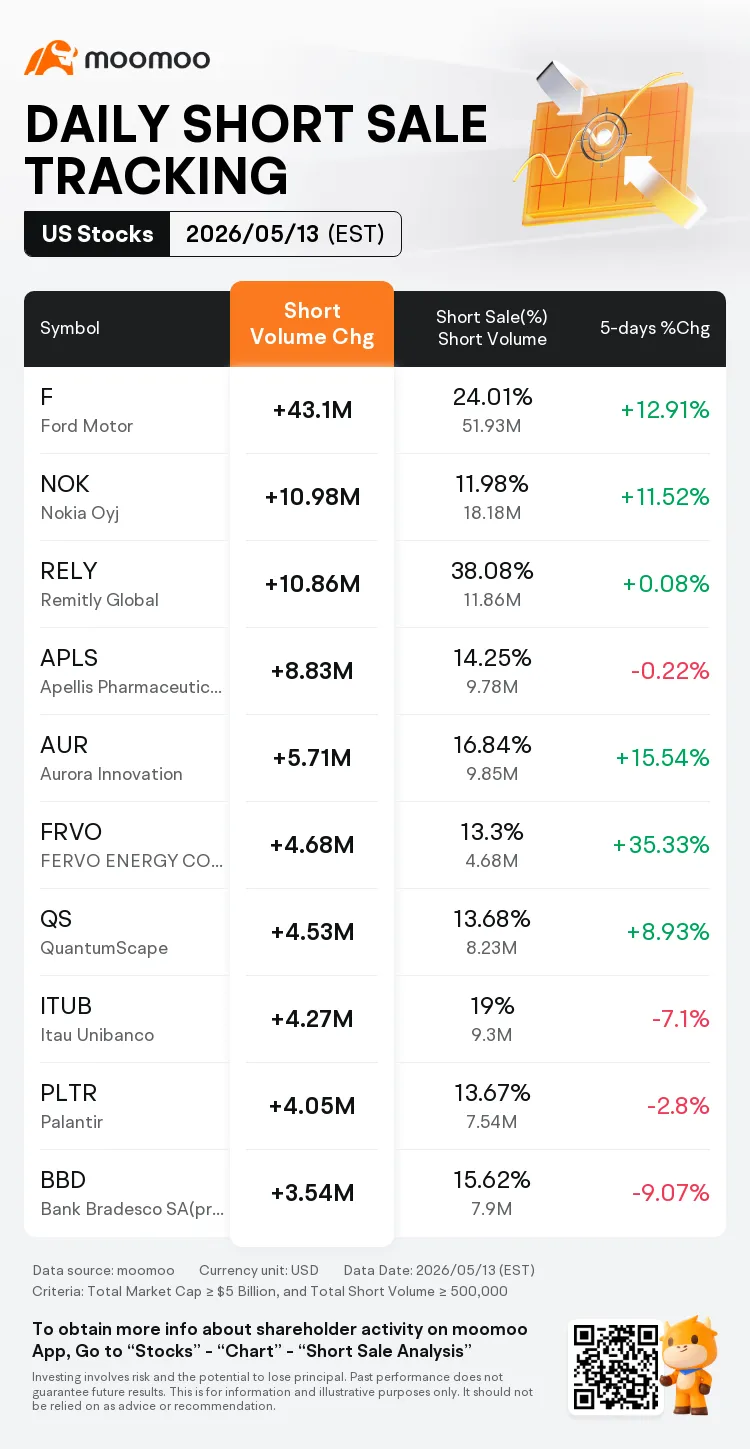
Daily short sale tracking: Ford Motor's short volume increased by 43 million, with a short sale ratio of 24%
moomoo-证劵•2026/05/14 14:31
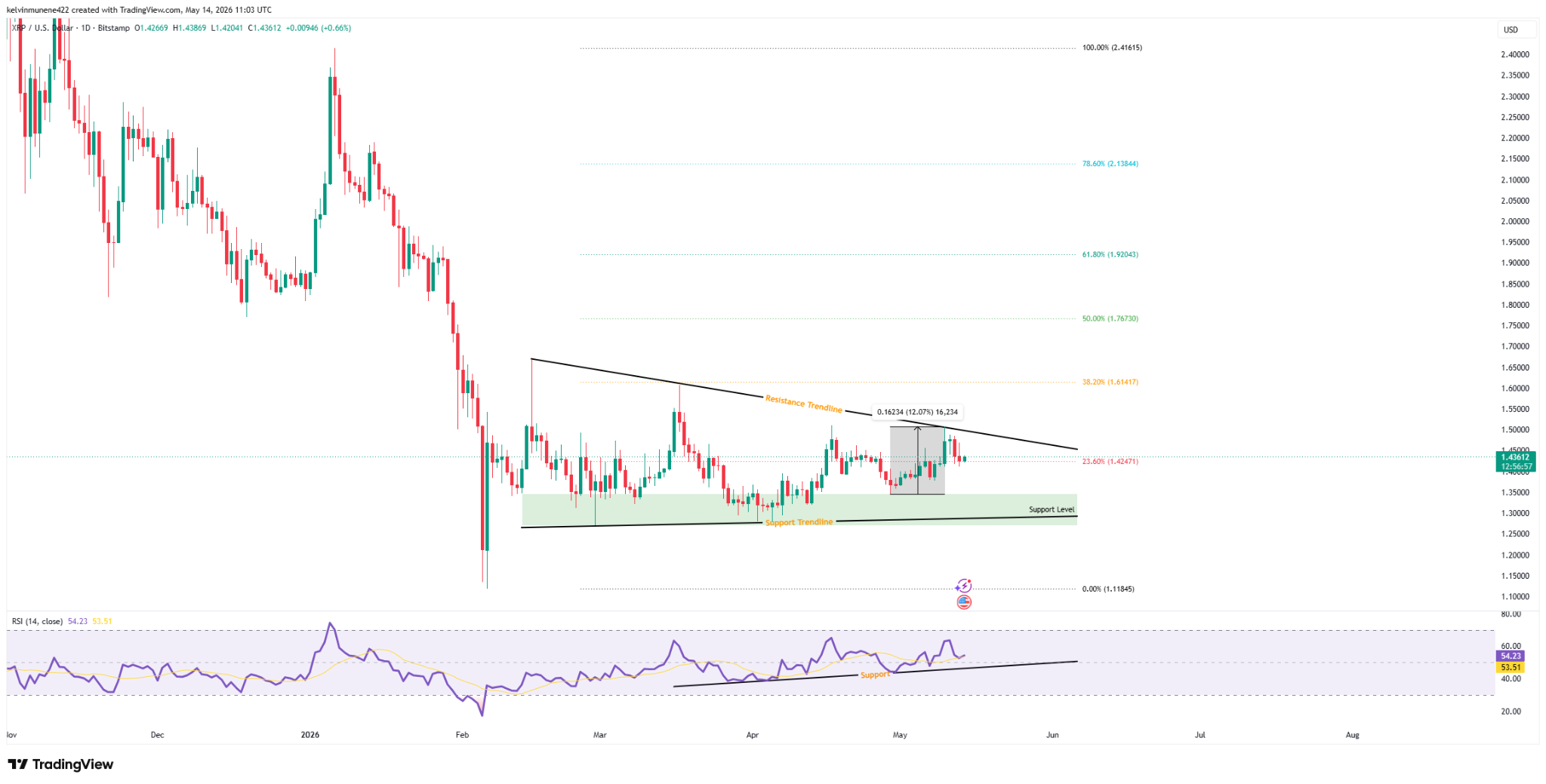
Why is XRP unique? Garlinghouse explains Ripple’s hidden edge
CoinEdition•2026/05/14 14:30
Trending news
MoreCrypto prices
More
Bitcoin
BTC
$80,181.96
+0.58%

Ethereum
ETH
$2,266.31
+0.07%

Tether USDt
USDT
$0.9995
+0.00%

BNB
BNB
$677.47
+1.04%

XRP
XRP
$1.45
+1.57%

USDC
USDC
$0.9998
-0.00%

Solana
SOL
$91.35
-0.72%

TRON
TRX
$0.3548
+1.54%

Dogecoin
DOGE
$0.1151
+3.40%

Hyperliquid
HYPE
$41.73
+6.33%
How to buy BTC
Bitget lists BTC – Buy or sell BTC quickly on Bitget!
Trade now
Become a trader now?A welcome pack worth 6200 USDT for new users!
Sign up now