

Soluna Holdings recorded a remarkable 58% surge in revenue during the first quarter, driven by expansion in its data center operations. According to the company’s financial results released on Monday, total revenue rose to $9.4 million, marking the fourth consecutive quarter of growth and offsetting declines in cryptocurrency mining.
Soluna posts 58% revenue jump as BTC mining falls
By:Cointurk
Bitget offers one-stop trading for cryptocurrencies, stocks, and gold. Trade now!
A welcome pack worth 6200 USDT for new users! Sign up now!
Data center business expands as mining revenue shrinks
The increase in revenue was fueled by additional capacity deployed at Soluna’s Dorothy and Kati sites in Texas. The company generated $6.7 million from data center hosting services. Meanwhile, income from cryptocurrency mining fell to approximately $2.2 million compared to nearly $3 million in the same period last year. The primary reason for this decline was reduced profitability in BTC mining.
Although revenue was up, Soluna Holdings did not reach profitability in the quarter. Net loss widened to $17.9 million from $10.5 million the previous year, largely due to higher share-based compensation, interest expenses, and financing costs. Adjusted EBITDA loss showed a slight improvement, narrowing to $2.1 million.
Investment and diversification into new technologies
By the end of the quarter, Soluna held $68.6 million in cash. The company continues to ramp up investments in infrastructure and is making a strategic push into artificial intelligence (AI) and high-performance computing. Soluna stands out in its sector for digital infrastructure projects and remains committed to supporting the development of the data center ecosystem.
Soluna Holdings is especially known for its energy-intensive data center solutions. The firm is working on innovative operational models to help power grids operate more efficiently, reflecting its focus on sustainable energy use in digital operations.
Halving and pricing pressure hit crypto miners
After BTC’s 2024 halving event, mining revenues fell into a downward trend. The recent drop in BTC prices has further pressured miners’ incomes. As a result, the crypto mining sector is increasingly searching for alternative revenue streams to cushion the downturn.
A CoinShares report published in March revealed that about 20% of miners using older, less efficient hardware were operating at a loss. The report also noted that hashprice—a key indicator of mining profitability—dropped to its lowest level in February following the halving.
Miners pivot toward AI and new opportunities
In response to these pressures, several publicly listed crypto miners have begun shifting their focus to AI and high-performance computing services. Industry players like HIVE Digital Technologies and TeraWulf are channeling capital outside the crypto sector, searching for new engines of growth.
According to market research firm Bernstein, large-scale miner IREN is expected to derive most of its future revenue from AI infrastructure. The same report highlights IREN’s expanding AI cloud services and long-term agreements with Microsoft as main drivers behind this strategic transition. Bernstein emphasizes that AI-driven revenues will take on increasing importance for major mining operators.
Soluna Holdings highlighted in its earnings report that “our expanding capacity and investments in new business lines have partially offset the weaknesses in crypto mining.”
0
0
Disclaimer: The content of this article solely reflects the author's opinion and does not represent the platform in any capacity. This article is not intended to serve as a reference for making investment decisions.
Understand the market, then trade.
Bitget offers one-stop trading for cryptocurrencies, stocks, and gold.
Trade now!
You may also like
Japanese companies say factories are the next AI frontier
Cryptopolitan•2026/05/19 17:36
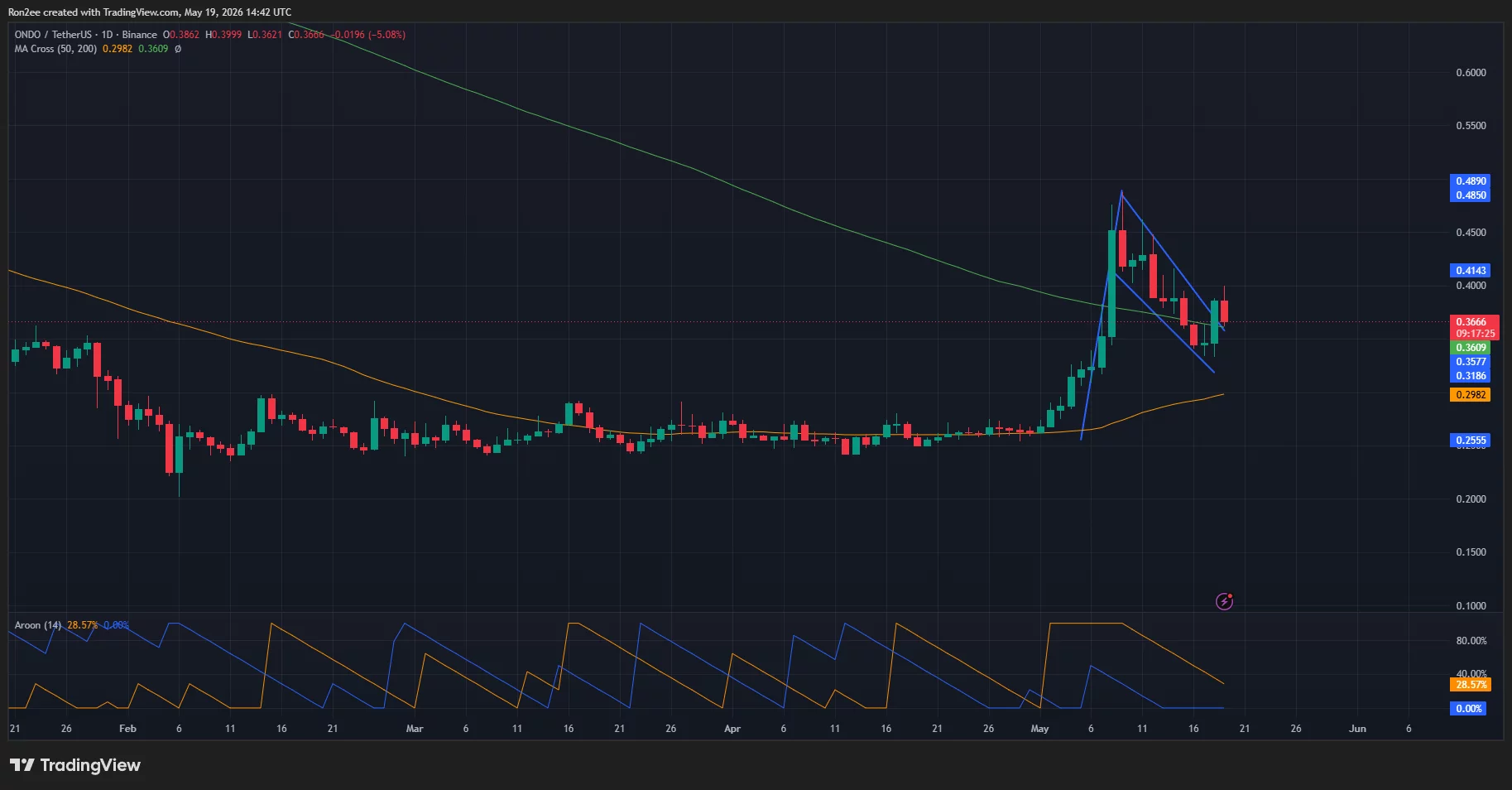
Ondo price confirms bull flag breakout, eyes upside to $0.55 as key metrics surge
Crypto.News•2026/05/19 17:36
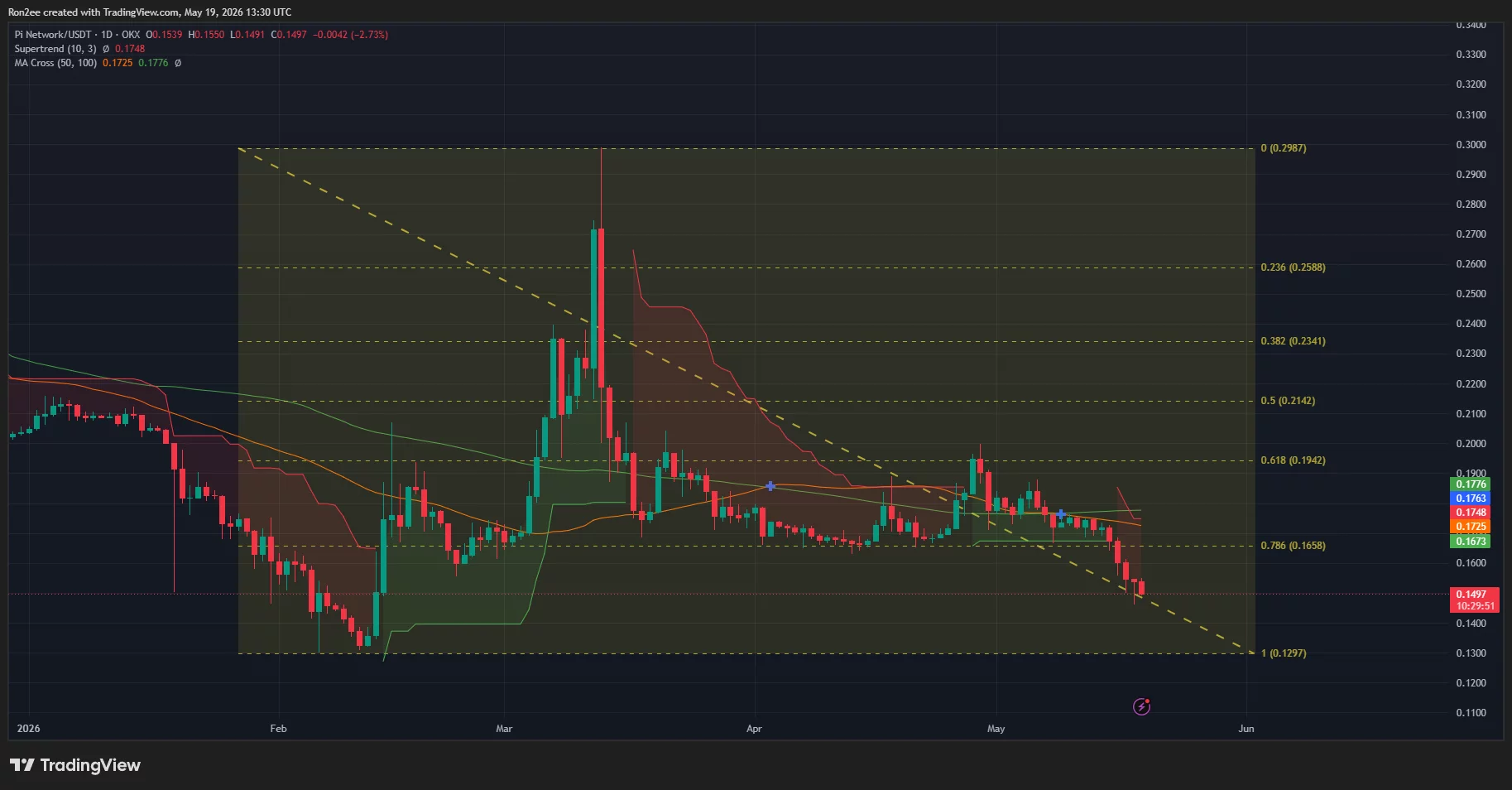
Will Pi Network price fall back to $0.12 as 195M token unlock looms?
Crypto.News•2026/05/19 17:36
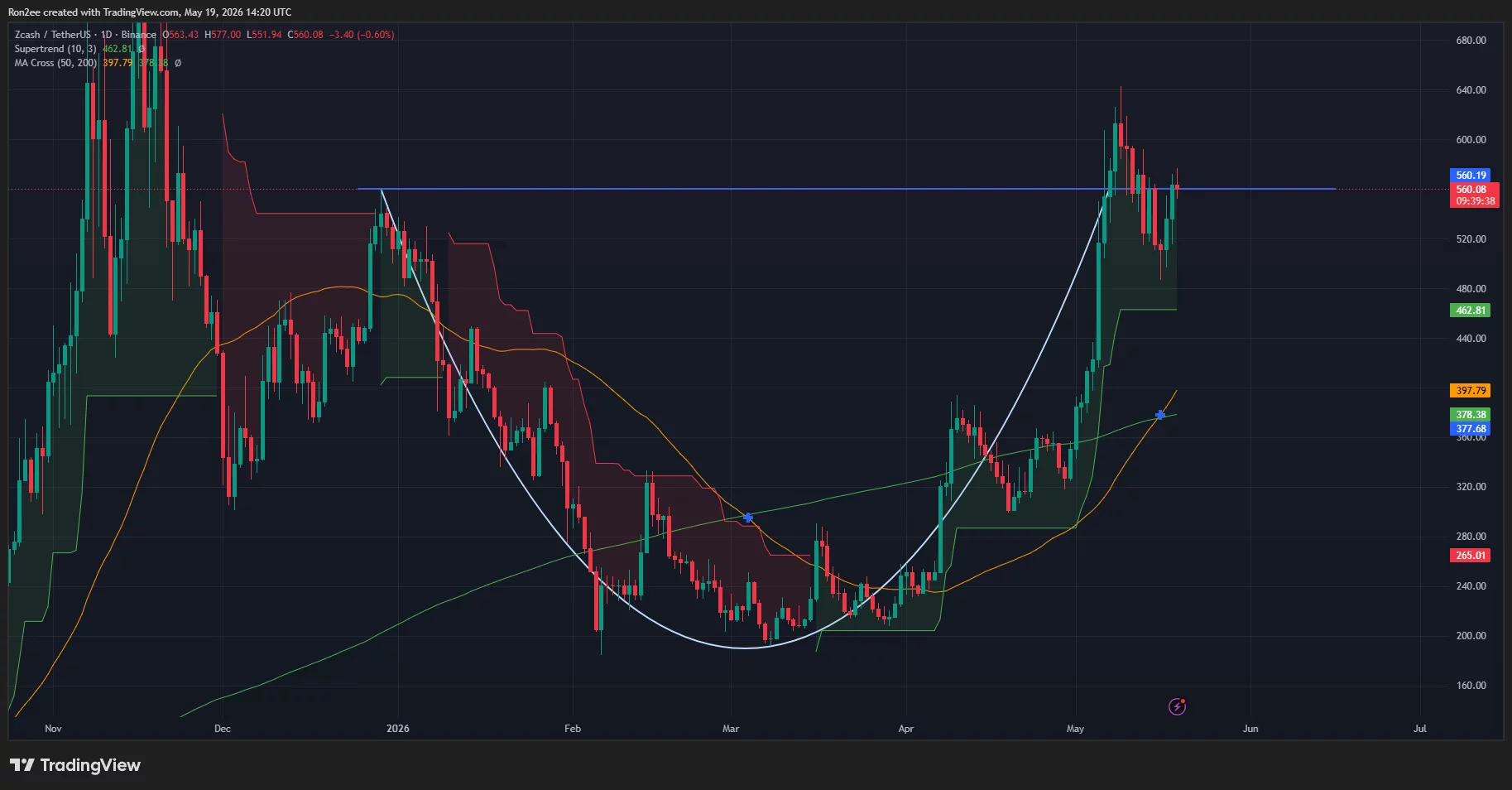
Zcash price surges 70% monthly, can golden cross fuel another breakout?
Crypto.News•2026/05/19 17:36
Trending news
MoreCrypto prices
More
Bitcoin
BTC
$76,793.34
+0.27%

Ethereum
ETH
$2,117.71
+0.60%

Tether USDt
USDT
$0.9991
-0.01%

BNB
BNB
$640.08
-0.01%

XRP
XRP
$1.37
-0.68%

USDC
USDC
$0.9998
-0.01%

Solana
SOL
$84.65
+0.31%

TRON
TRX
$0.3546
-0.17%

Dogecoin
DOGE
$0.1038
-0.30%

Hyperliquid
HYPE
$48.6
+7.35%
How to buy BTC
Bitget lists BTC – Buy or sell BTC quickly on Bitget!
Trade now
Become a trader now?A welcome pack worth 6200 USDT for new users!
Sign up now