
Oil: UAE exit, NOPEC risk and cartel fragmentation – Rabobank

Rabobank’s energy team sees the UAE’s departure from OPEC (Organization of Petroleum Exporting Countries) as a potential catalyst for further cartel erosion and structurally lower Oil prices. With spare capacity and new US swapline and defence ties, the UAE can ramp production and possibly prioritise allies. The authors warn this shift could deepen geopolitical segmentation between OPEC, NOPEC producers and emerging energy ‘stacks’.
Cartel under pressure from geopolitics
"The UAE’s withdrawal from OPEC/+ after six decades of membership allows it unrestricted control over its oil production to capitalise on its substantial spare capacity."
"By exiting OPEC, the UAE gains full sovereignty to ramp up output and can now pursue maximum economic returns, if OPEC does not fracture further, diversify funding for non-oil ambitions, and position itself as a high-volume supplier."
"The UAE’s OPEC exit is a geostrategic win for the US because it may encourage the further break-up of the cartel, increase oil output, and help reduce energy prices after the Iran War is over."
"However, a larger shift may be in play via the following question: who will the UAE prioritise its extra oil sales to – anyone, or its geopolitical allies and the partners they prefer?"
"Then we have OPEC, where the bulk of global energy production is centred. There, a drift towards energy stacks may start, as the UAE underlines."
Disclaimer: The content of this article solely reflects the author's opinion and does not represent the platform in any capacity. This article is not intended to serve as a reference for making investment decisions.
You may also like
Coca-Cola hits record $82.05 as market cap tops $352B
Japanese Finance Minister Koizumi Taro: Prepared to Take Decisive Action in the Foreign Exchange Market
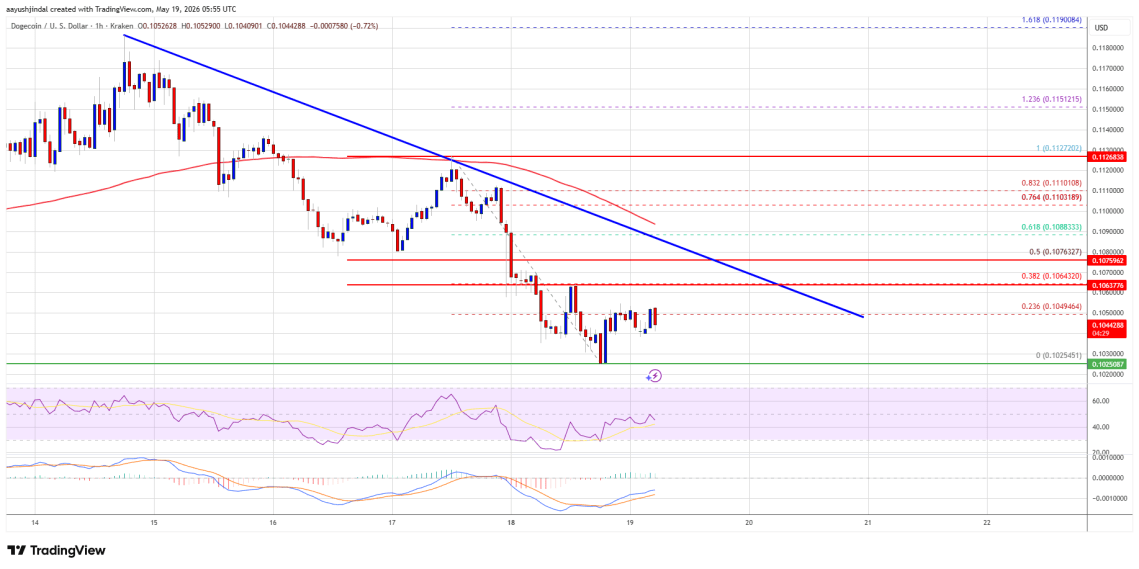
Dogecoin (DOGE) Slow Bleed Continues, Key $0.10 Support Comes Into Focus
Ripple price today: will reclaim 1.42 or break to 1.35 amid thin alt risk?

Trending news
MoreCrypto prices
More





