
Gold Trading Reminder: Gold Price Plunges 1.8% to Seven-Week Low as Middle East Tensions and Inflation Bomb Hit Together—Has the Bull Market Ended Abruptly?

Huitong Network, May 20 — On May 19, gold prices plummeted over 1.8%, with spot gold dropping to as low as $4,464.85/oz, closing at $4,481.83/oz. The rally in oil prices above $110, driven by Middle East tensions between the US and Iran, has sparked renewed inflation concerns. US Treasury yields hit stage highs and the Dollar Index climbed to a six-week peak. The Fed’s probability of a rate hike rose to about 55%, and high real interest rates have significantly increased gold’s opportunity cost.
On Tuesday (May 19), spot gold fell sharply by 1.8%, touching a low of $4,464.85/oz—the lowest since March 30—and ended at $4,481.83/oz. US June gold futures also dropped 1% to $4,511.20/oz. This decline wiped out part of the recent gains and highlighted gold's vulnerability amid a high-interest-rate and geopolitically fraught environment.
Although gold has long been seen as an inflation hedge, the current unique macro and geopolitical backdrop means it faces unprecedented “opportunity cost” pressure. A stronger dollar, surging US Treasury yields, and soaring energy prices driven by Middle East tensions are together creating a perfect storm pushing gold downward.
On Wednesday (May 20) during early Asian trading, spot gold is seeing narrow-range fluctuations, currently trading at $4,487.90/oz (UTC+8).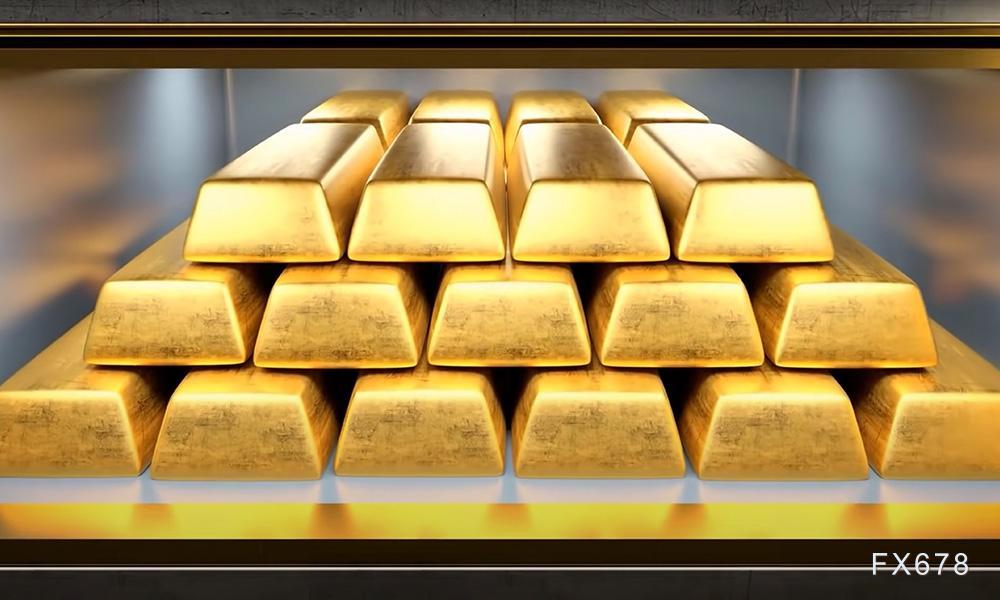
Spot Gold Under Pressure: Rising Real Interest Rates as the Main Culprit
The sharp fall in gold prices on Tuesday was not an isolated event but a direct result of several macro factors erupting at once. Marex analyst Edward Meir notes that the general rise in global real interest rates is the main pressure facing gold, and a strengthening dollar has further worsened the unfavorable situation.
The yield on the 10-year US Treasury once surged to 4.687%, the highest since January 2025, closing at 4.667%, up 8.7 basis points in one day; the yield on 30-year Treasuries climbed to 5.197%, a 19-year peak. This significant rise at the long end of the yield curve directly increases the opportunity cost of holding non-interest-bearing gold. When investors can gain higher real returns from Treasuries, gold’s appeal naturally declines.
Meanwhile, the Dollar Index rose 0.34% to 99.30, hitting a six-week high. Gold, priced in dollars, becomes more expensive for holders of other currencies, which further dampens physical demand and investment buying. Analysis shows that this “strong dollar + high yields” combination has repeatedly driven gold corrections in recent years.
Inflation Fears Rekindled: Brent Oil Above $110 Is the Main Culprit
The core driver behind stronger yields and the dollar is the market’s renewed fear of runaway inflation, fueled directly by the energy market under the shadow of Middle East geopolitics.
Brent crude oil remains above $110 per barrel, at times reaching $111. The nearly three-month-long Iran–US/Israel conflict has seen Iran almost completely shut off the Strait of Hormuz—a route for one fifth of the world’s oil shipping—causing ongoing supply concerns. Even if ceasefire agreements barely hold, drone attacks on Gulf facilities continue unabated, and last weekend’s attack on the UAE’s Barakah Nuclear Power Plant highlights the risk of further escalation.
High fuel costs are quickly feeding into global supply chains, raising core inflation pressures. Central banks are therefore forced to keep interest rates elevated and may even face further tightening. This delivers a double blow to gold: high rates compress gold’s safe-haven premium, while its inflation-hedge function is temporarily secondary to the logic that “inflation must be contained by high rates” for now.
US-Iran Negotiations Unresolved: Trump’s “Another Strike” Shadow Looms Over Markets
Geopolitical uncertainty is the catalyst for this gold price correction. US President Trump stated on Tuesday that he was an hour away from ordering another strike on Iran and claimed Iran’s leaders are “begging” for a deal. Vice President JD Vance said negotiations were making progress but acknowledged difficulties in dealing with the divided Iranian leadership.
Mediators revealed Iran’s position is unchanged: it still demands an end to hostilities, compensation, sanction relief, and a role in the Strait of Hormuz; the US insists Iran gives up its nuclear program. Both sides are “moving the goalposts,” so the outlook for peace is full of uncertainty. Market consensus is that even if a deal is reached in the short term, energy prices are unlikely to fall quickly, and long-term inflation risks will continue to support a high interest rate environment.
This “smoldering conflict, protracted negotiations” state simultaneously creates demand for safe havens (in theory supporting gold) but pushes oil prices and yields even higher, exerting stronger downward pressure. For now, the latter is winning.
Fed Policy Expectations Shift: Hopes for Rate Cuts Fade, Probability of a Hike Rises to 55%
Investors are closely watching the release of the Fed’s April policy meeting minutes on Wednesday. Current market pricing indicates a 94.2% probability that the Fed will keep rates unchanged in June, while odds for a rate hike by December are about 55%. New Fed Chair Kevin Warsh faces a tough test, as the bond market is pushing him to demonstrate determination against inflation.
Economists generally expect no rate cuts until 2027, believing that the current round of energy-driven inflation may be temporary, but the word “temporary” is already tormenting gold bulls. With the expectation that high rates will persist longer, the willingness to hold non-yielding assets like gold has notably decreased.
Outlook: Short-Term Pressure but Structural Opportunities Remain in the Long Term
Summing up, this gold drop is the result of the resonance of three factors: tighter macro expectations, inflation transmission from geopolitical conflict, and dollar strength. In the short term, as long as oil prices and US Treasury yields remain high, gold prices will be under continued adjustment pressure. The $4,480 mark has become a key psychological level; a break below could test further supports.
However, from a medium-to-long-term perspective, the fundamentals for a gold bull market remain. Geopolitical risks persist, global debt levels are high, and central bank gold purchases continue. Should Middle East tensions drive oil above $120, or if the Fed turns dovish in any way, gold will see a strong rebound opportunity. The current pullback looks more like a healthy correction in a bull market, rather than a trend reversal.
For investors, it is crucial to watch the Fed meeting minutes, the latest Middle East negotiation progress, and crude oil price trends closely. In 2026, amid dual uncertainties of inflation and geopolitics, gold remains an indispensable component of a diversified portfolio—the key is patiently waiting for a better entry point.
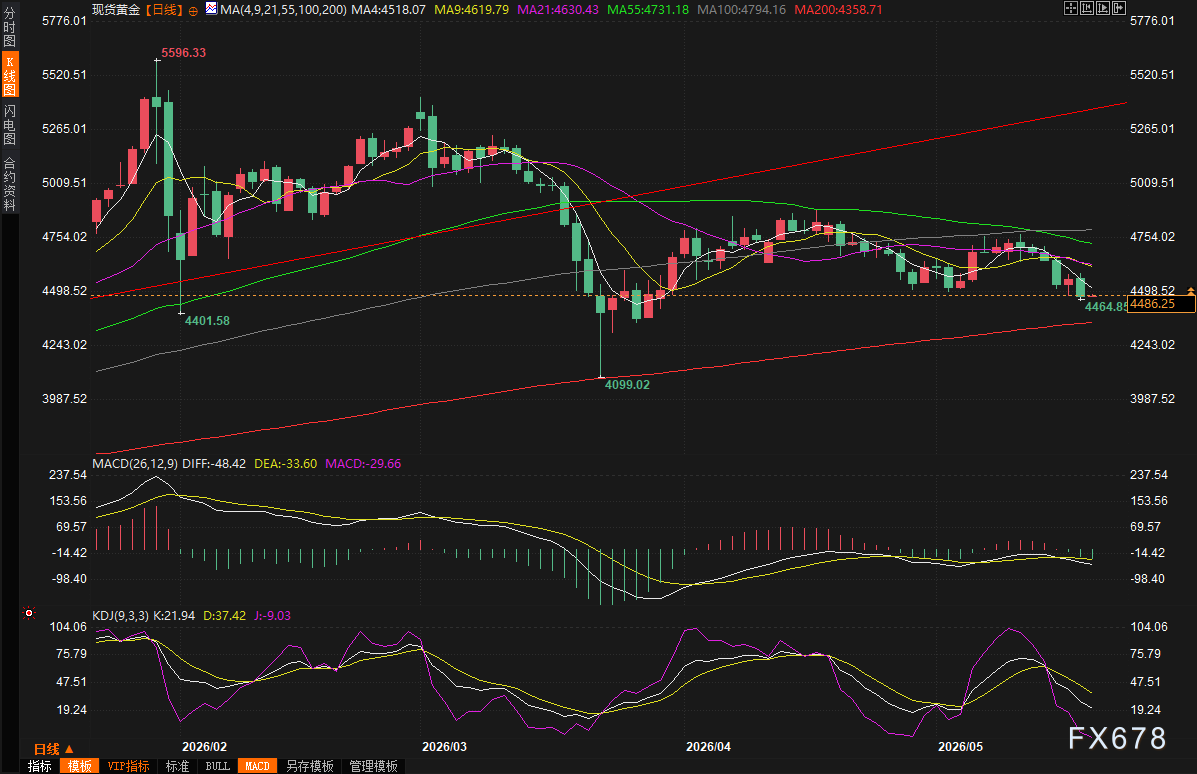
(Spot Gold Daily Chart, Source: Easy Huitong)
07:24 (UTC+8), spot gold is now quoted at $4,486.81/oz.
Disclaimer: The content of this article solely reflects the author's opinion and does not represent the platform in any capacity. This article is not intended to serve as a reference for making investment decisions.
You may also like
Metals recover as Iran talks cool oil, Fed minutes cap risk - Kitco PM Report
Elon Musk’s SpaceX holds $1.45 billion worth of bitcoin as firm looks to go public
Bnb holds at $634 support as ETF optimism grows
ESPORTS fluctuates by 43.2% in 24 hours: upcoming token unlock triggers sharp volatility
Trending news
MoreCrypto prices
More





