
AI "computing power anxiety" reignites! Nvidia H100 GPU rental prices surge, Nebius and other cloud service providers rise in response

According to Zhisheng Finance, after Nvidia (NVDA.US) disclosed that the rental prices for its H100 GPU continue to rise, AI cloud service providers Nebius (NBIS.US), CoreWeave (CRWV.US), and IREN Ltd (IREN.US) saw significant stock price increases on Thursday.
Nebius surged by 15% on Thursday, partly due to the company's announcement of an AI infrastructure power supply agreement with Bloom Energy. Over the term of the agreement, Nebius will pay a monthly service fee totaling up to $2.6 billion to purchase the capacity and power of the supply system.
On Thursday, CoreWeave closed up over 6%, while IREN gained more than 10%. Applied Digital (APLD.US) soared by 21.5% after announcing on the same day a long-term data center facility lease agreement with an unnamed hyperscale cloud service provider, involving its newly built high-performance computing campus in Texas, USA.
As of Thursday's U.S. market close, CoreWeave and IREN have both risen more than 50% year-to-date, Nebius is up over 160% year-to-date, and Applied Digital has gained 96% year-to-date.
H100 GPU Rental Prices on the Rise, AI Computing Power Anxiety Rekindled
Nvidia CFO Colette Kress said during the company's earnings call: "Since the beginning of this year, H100 rental prices have risen by 20%, and A100 cloud service prices have increased by nearly 15%. Thanks to the multi-functionality of our platform and persistent performance improvements from our software stack, customers can generate significant returns even after the depreciation period of the GPU."
Due to continued high demand for AI GPUs, Nebius recently announced that the on-demand rental price for H100 GPUs will increase from $2.95 to $3.85 per hour.
The H100 GPU was launched in April 2022, as part of Nvidia's Hopper series. The company has now begun mass production of the Blackwell series GPUs, and the next-generation AI accelerator chip, Vera Rubin, is expected to begin production and shipping in the second half of this year.
Reports say the Vera Rubin chip is designed for high-performance computing (HPC) and large-scale AI training scenarios, with its first clients including major North American cloud service providers like Amazon AWS and Microsoft Azure. The chip aims to fill the computing power gap between the current H100 series and future ultra-large model demands, further solidifying Nvidia’s dominance in the data center AI chip sector.
Kress expressed confidence in the company’s forecast for a combined $1 trillion revenue from Blackwell and Rubin chips between 2025 and 2027. Nvidia CEO Jensen Huang even stated that the Vera Rubin chip may outperform the Blackwell series in the market.
It is worth noting that the global supply-demand imbalance for AI computing power continues to intensify, and "computing power anxiety" has become a core challenge for leading companies. In March, Elon Musk said that the computing power demands of his companies Tesla and SpaceX would eventually exceed the total global chip capacity. To address this, Musk announced the construction of a "Terafab" chip complex in Austin, Texas. Moreover, in recently disclosed filing documents, SpaceX listed “self-manufacturing GPUs” as one of its “major capital expenditures,” putting AI computing power anxiety into the spotlight.
Computing Power Sector Outlook Positive, Divergent Views on Individual Stocks
Despite the optimistic outlook for the computing power rental market, Wall Street analysts have differing views on related stocks.
On Thursday, GF Securities initiated coverage on CoreWeave with a “Buy” rating and a target price of $162.
GF Securities analyst Michelle Jing wrote in a client report: "With its early GPU deployments, unique focus on the AI sector, industry-leading operational efficiency, and long-term agreements with major AI hyperscale cloud providers, CoreWeave is poised to emerge as a long-term winner in the AI infrastructure boom."
Investment bank D.A. Davidson gave CoreWeave a “Neutral” rating, lowering its target price from $175 to $100, and rated Nebius "Neutral" as well, with a target price of $250.
D.A. Davidson analyst Gil Luria said that the institution’s stance on CoreWeave has shifted radically in the past, and its current Neutral stance is a balanced judgment. On the one hand, the computing power sector has a positive outlook and CoreWeave has become a key player; on the other hand, its profit margins are weak, it heavily relies on debt financing, raising concerns about its profitability, and insider selling also raises alerts.
The logic behind Nebius’s valuation is somewhat different. Luria believes it deserves a premium valuation, but its short-term upside is limited. “Since we first initiated coverage just over a year ago, Nebius's stock price has significantly outperformed the market, growing from a marginal stock to a core asset in AI trading. Its current premium is justified but will also constrain short-term growth.”
Disclaimer: The content of this article solely reflects the author's opinion and does not represent the platform in any capacity. This article is not intended to serve as a reference for making investment decisions.
You may also like
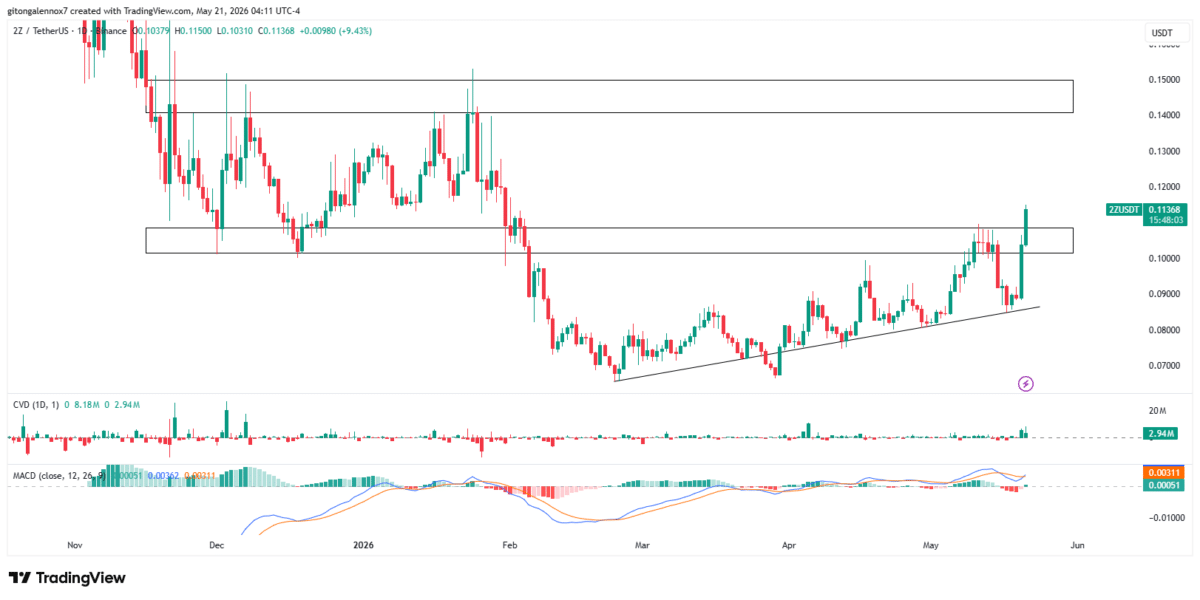
DoubleZero: Examining how rising demand sparked 2Z’s 21% breakout
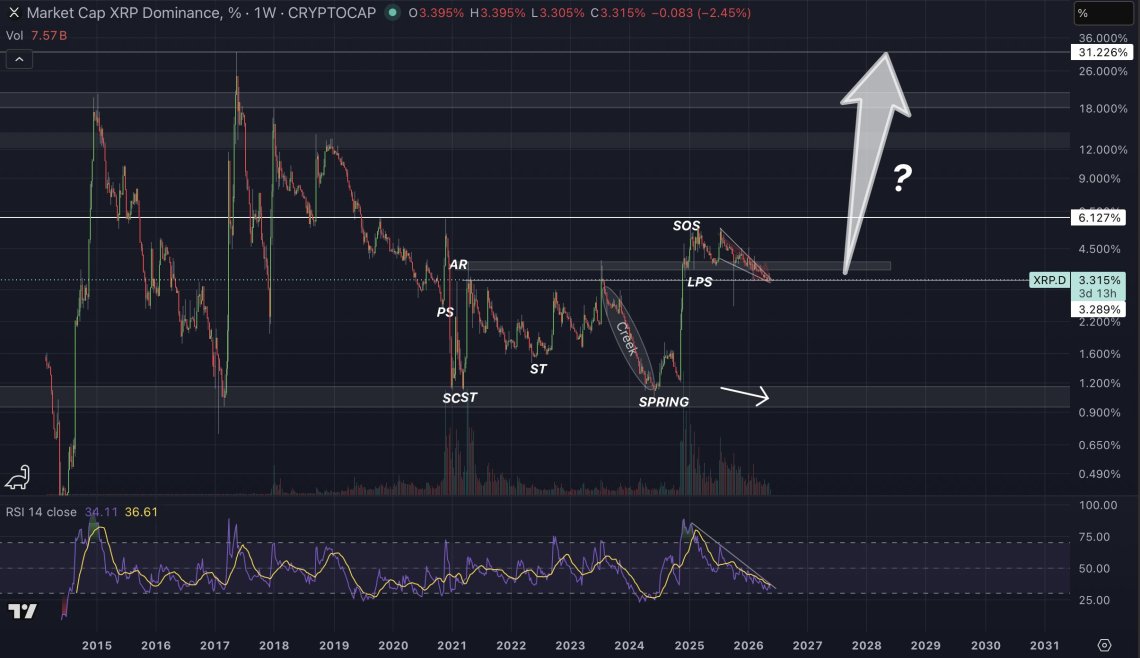
Analyst Maps XRP’s Path To 31% Of The Entire Crypto Market
Trending news
MoreCrypto prices
More





