
News
Stay up to date on the latest crypto trends with our expert, in-depth coverage.


SWARMS fluctuated 61.5% in 24 hours: Trading volume surged 650%, driving speculative surge
Bitget Pulse·2026/04/08 03:40
AIAV fluctuated by 83.5% in 24 hours: Trading volume surged to nearly $200,000, causing sharp price volatility
Bitget Pulse·2026/04/08 03:11
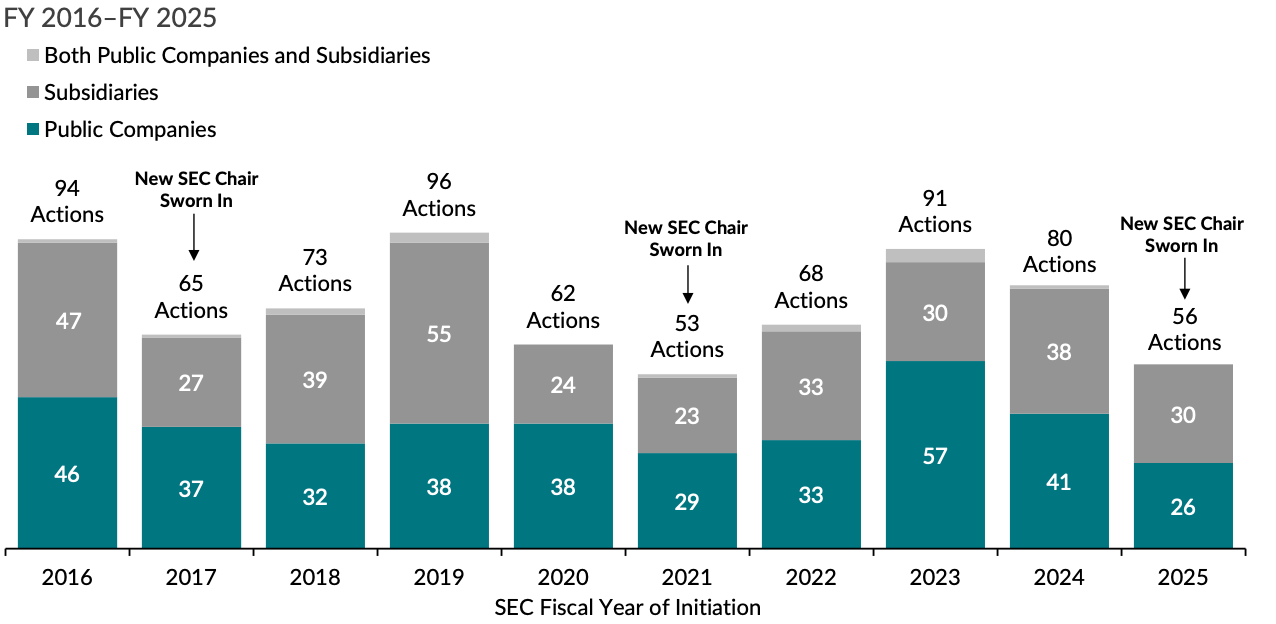
SEC admits certain crypto enforcement cases delivered no investor benefit
Cointelegraph·2026/04/08 02:42
PUFFER sees 53% volatility in 24 hours: Binance perpetual contract delisting triggers short squeeze
Bitget Pulse·2026/04/08 02:21
BitMine nears 5% Ethereum supply with $11B
Grafa·2026/04/08 02:15

RVV (AstraNova) fluctuated 81.1% in 24 hours: trading volume surge drives price rebound
Bitget Pulse·2026/04/08 01:37

Flash
11:47
Stake DAO responds to security incident, advises against interacting with vsdCRV for nowChainCatcher reported that Stake DAO responded to the security incident on the X platform, stating that its team is aware of the event and advises users not to interact with vsdCRV for now. In addition, there was an abnormality in a contract related to Stake DAO on Arbitrum, resulting in the minting of 5.4 trillion vsdCRV tokens. The security team has classified this as a suspected infinite mint vulnerability exploitation.
11:46
The average price of used cars in Canada remains high at 34,000 Canadian dollars amid market fluctuations; the acceleration of electrification squeezes traditional models, and new variables emerge for inflation cooling.⑴ As of March 2026, the national average price of used cars in Canada is approximately 34,139 CAD (for post-2016 models with low mileage), representing a month-on-month increase of 0.5% and a year-on-year increase of 3.25%. Since September 2025, prices have fluctuated within a narrow range of about 600 CAD. Platforms such as AutoTrader show average prices ranging from around 33,200 to 36,713 CAD, with some quarterly data indicating a slight year-on-year decrease of 0.3%. The overall market remains well above pre-pandemic levels, with price stickiness exceeding expectations. ⑵ There is a clear divergence between categories. Pure electric vehicles are under the most price pressure; March 2026 saw a single-month drop of 1,765 CAD, the largest decline in history, with more than half of EV models now priced below 35,000 CAD, making popular models like the Tesla Model 3 more affordable. Due to strong demand and relatively tight supply, hybrid models have maintained strong prices. SUVs and crossovers account for about 52% to 61% of listed vehicles, while the share of sedans has shrunk to around 27%. The combined market share of EVs and hybrids has risen to approximately 11% to 12%, with EV search volume surging by 96% spurred by rising fuel prices. ⑶ From the perspective of inflation transmission, used car prices carry significant weight in the transportation category of Canada’s CPI basket. The current average price is still up 3.25% year-on-year, which means that the used car category continues to make a positive contribution to overall inflation, rather than the rapid decline previously expected by the market. The sharp drop in EV prices is structurally pulling the average used car price down, but the resilience of SUV and hybrid models is offsetting this. The number of listings is only up 3.1% year-on-year, the pace of inventory improvement is slow, and supply-side constraints have not been substantially alleviated. If supply does not rebound as expected in the second half of the year, the decline in used car prices may be limited, which will constrain the Bank of Canada's room for rate cuts, as transportation costs remain the second-largest source of stickiness after service-related inflation. The mid-to-low price segment of 10,000 to 15,000 CAD remains the main driver of sales, but supply of vehicles under 20,000 CAD continues to be tight, with the cost-of-living pressure particularly evident for low-income groups.
11:45
US mortgage rates rise to the highest level since AugustAccording to data released by the Mortgage Bankers Association on Wednesday, in the week ending May 22, the contract rate for 30-year mortgages rose by 9 basis points to reach 6.65%. Since the outbreak of the Iran conflict at the end of February, this rate has accumulated an increase of more than 0.5 percentage points. Meanwhile, the association's refinancing index fell by more than 18%, hitting its lowest level in nearly a year. The home purchase application index also declined for the second consecutive week.
News