
News
Stay up to date on the latest crypto trends with our expert, in-depth coverage.


US: Growth normalizes as Iran shock fades – TD Securities
FXStreet·2026/04/27 21:12
XCX (XelebProtocol) fluctuated 47.8% in 24 hours: surge in trading volume drives short-term rebound
Bitget Pulse·2026/04/27 21:08
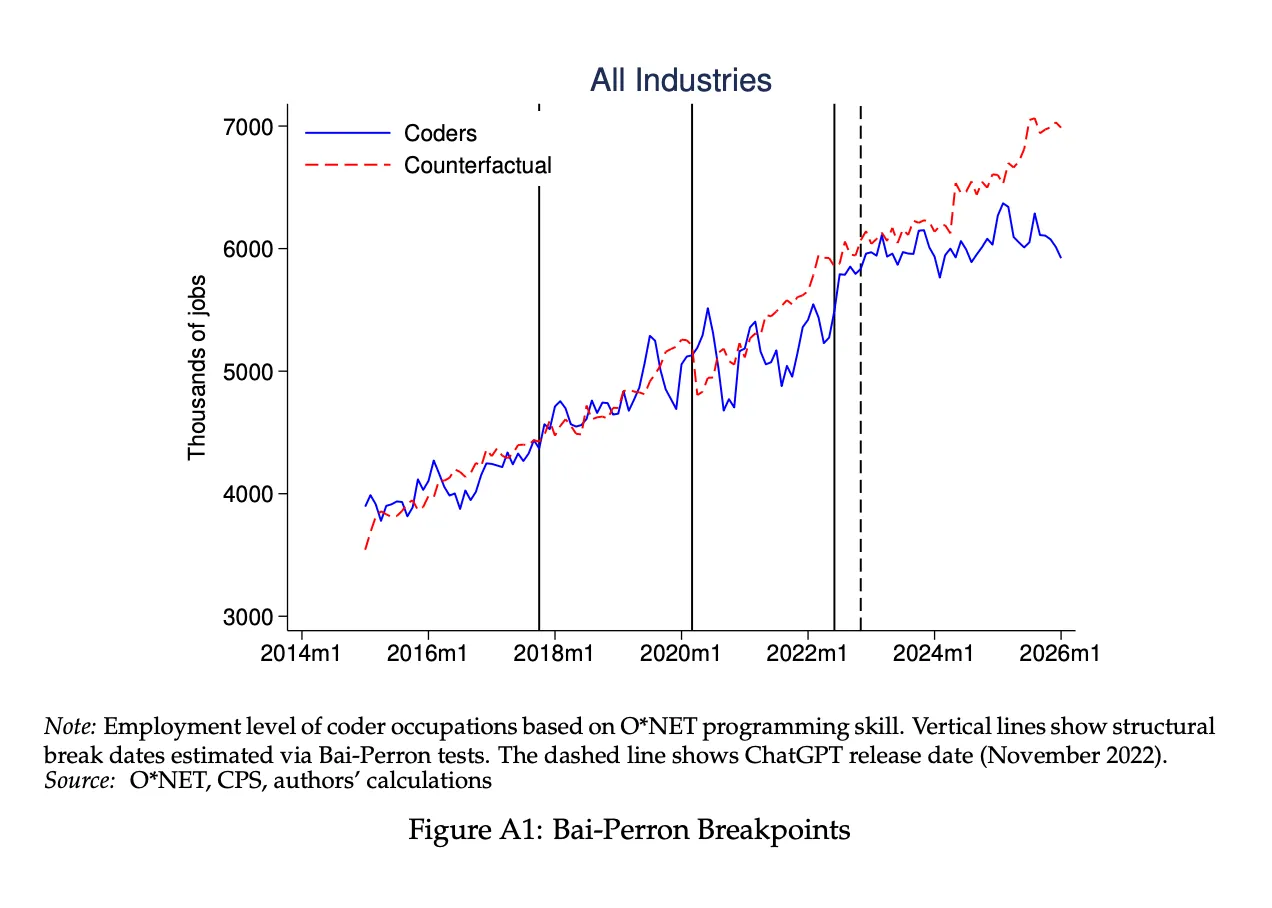
Fed Confirms What Tech Developers Have Feared for Two Years
Decrypt·2026/04/27 20:07
ESIM (Depinsim) fluctuated by 205.7% in 24 hours: Trading volume surged 797%, driving price volatility
Bitget Pulse·2026/04/27 19:46
B2 (BSquaredNetwork) fluctuated by 55.7% in 24 hours: Trading volume surged 136%, causing intense volatility
Bitget Pulse·2026/04/27 19:19
Fed: Policy on hold as Iran shock lingers – TD Securities
FXStreet·2026/04/27 18:48
Perle (PRL) 24-Hour Price Fluctuation of 95.5%: Upbit Listing Announcement Drives Speculative Surge in Korean Market
Bitget Pulse·2026/04/27 18:33
BoJ: Cautious stance and inflation guidance in focus – Rabobank
FXStreet·2026/04/27 18:18
NOT (Notcoin) fluctuates 73.8% in 24 hours: Trading volume surges 238.5%, causing intense volatility
Bitget Pulse·2026/04/27 18:02
Flash
00:35
Apyx confirms TGE and airdrop on October 13, with increased airdrop allocation for points.According to Odaily, the stablecoin project Apyx, built on STRC, announced on X that its TGE and airdrop are scheduled for October 13. In addition, the second season of the points campaign will end on October 11, and the allocation of tokens corresponding to points will be increased from 4% to 6% of the total supply.
00:28
Tom Lee: Ethereum to Be Ensured as the Future Settlement Layer for Finance and AI, Continues to Be Bullish on ETHBlockBeats News, May 22 - Ethereum's largest treasury BitMine's Chairman, Tom Lee, stated that Ethereum has a strong group of leaders and developers who can ensure its position as the future settlement layer for finance and AI. Much of the current bearish sentiment is merely desperation and blame-shifting at the bottom of the crypto winter. Blockchain is the only viable way for agentic AI to conduct commercial interactions and significantly enhance the profitability of the financial system. He remains bullish on ETH.
00:25
SoftBank shares expanded their gains to 11%Glonghui, May 22|SoftBank's share price has expanded its gains to 11%; a certain exchange closed sharply higher by more than 16.16% on Thursday, setting another historic high at $298.23, with a market capitalization reaching $317.3 billion.
News