
News
Stay up to date on the latest crypto trends with our expert, in-depth coverage.



UMXM (Manadia) fluctuated by 42.5% in 24 hours: trading volume surge drives price rebound
Bitget Pulse·2026/04/27 00:34
ROLL (RollX) sees 48.7% volatility in 24 hours: coexistence of low liquidity fluctuations and active community
Bitget Pulse·2026/04/27 00:26
Metaplanet raises $50M to expand Bitcoin treasury
Grafa·2026/04/27 00:21

Multi-country gold selling? What is the outlook for gold prices?
新浪财经·2026/04/27 00:05
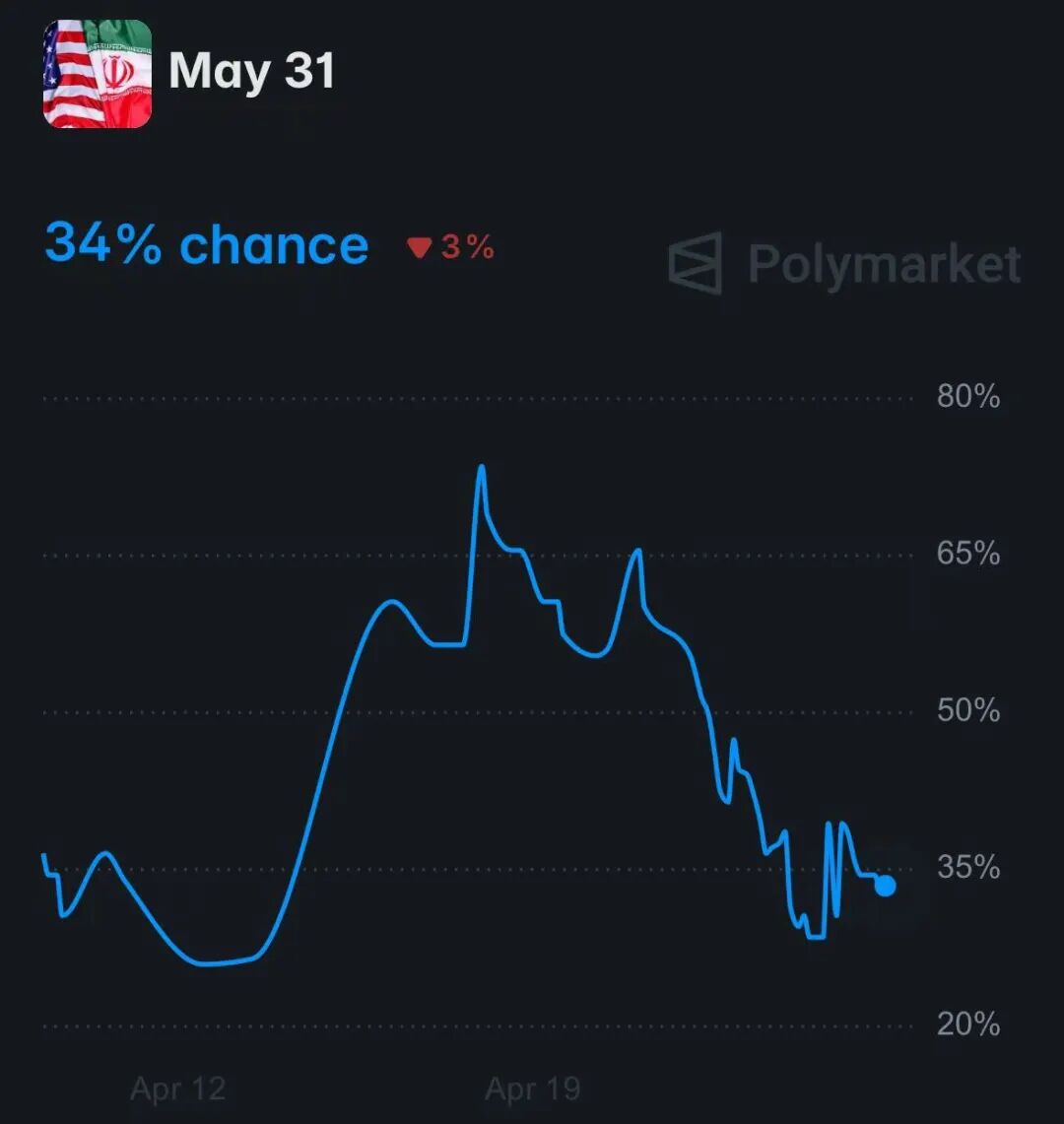
Welcoming Super Central Bank Week
硅基星芒·2026/04/26 23:58
An unexpected event occurred just 15 minutes after the market opened
金融界·2026/04/26 23:55
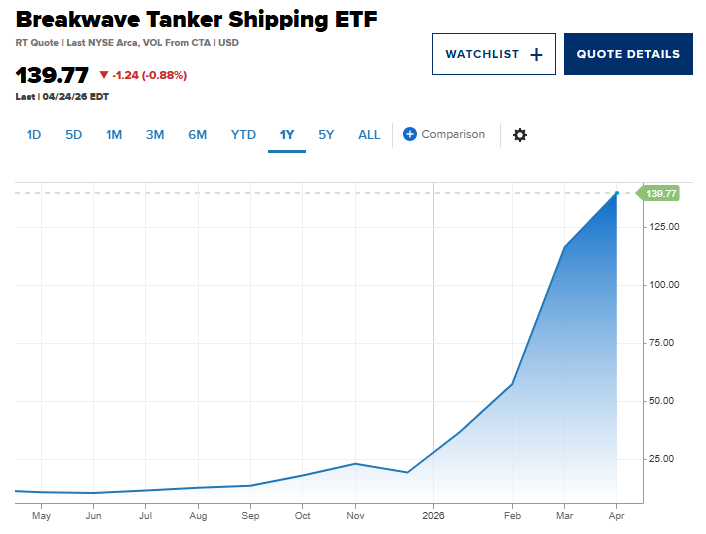
MaskNetwork (MASK) fluctuates 40.1% in 24 hours: Trading volume soars 1790% amid technical breakthrough
Bitget Pulse·2026/04/26 23:47
Flash
06:49
Japanese and South Korean Stock Markets Close Higher, Nikkei Hits Record HighBlockBeats News, May 22nd. According to Bitget data, on May 22nd, the South Korean KOSPI Index closed up 32.12 points, a 0.41% increase, at 7847.71 points; the Nikkei 225 Index closed up 1654.93 points on May 22nd, a 2.68% increase, at 63339.07 points, reaching a new all-time closing high.
06:44
Japan to Witness First Oil Tanker Leaving the Strait of Hormuz Since Outbreak of ConflictThe Japanese Ministry of Economy, Trade and Industry stated that the supertanker "Idemitsu Maru" crossed the strait at the end of April and is expected to dock as early as Monday. This tanker is carrying 2 million barrels of Saudi crude oil and is scheduled to berth at Idemitsu Kosan's Aichi refinery.
06:41
Analysis: Approximately 6.04 million bitcoin are currently exposed to "quantum risk"BlockBeats News, on May 22, analyst Murphy (@Murphychen888) posted on social media stating that "static quantum exposure" refers to Bitcoin whose public keys have already been displayed on-chain and could theoretically be exploited by future quantum computers with sufficient capabilities to reverse-engineer the corresponding private keys using the Shor algorithm. According to Glassnode data, about 6.04 million Bitcoins are currently exposed to this type of quantum risk, including: Structural exposure involves approximately 1.92 million Bitcoins. This type of risk mainly originates from script designs such as P2PK, bare multisig, Taproot, which directly display public keys during transactions. Among them, Bitcoins mined during the Satoshi era are considered the most difficult to migrate securely due to the unique address formats and script structures. Operational exposure is larger in scale, involving about 4.12 million Bitcoins. This risk is mostly caused by address reuse—users receiving or sending Bitcoins multiple times to the same address, which results in the public key being revealed after the first spend. Although this class of risk is more widespread, it arises from user habits and can theoretically be improved more easily through standardized management. Among the total exposed amount above, about 1.66 million Bitcoins are associated with exchanges. From the labeled balances, one exchange has only about 5% of its assets exposed to quantum risk, whereas the risk exposure of other exchanges and known entities is generally much higher. It should be noted that the above analysis is not intended to rank the risks of different entities, nor to predict a specific timeline for quantum technology threats. The core point is to illustrate that the overwhelming majority of quantum risk exposure in the current Bitcoin ecosystem is a management issue, and can be effectively controlled or significantly reduced by avoiding address reuse and standardizing wallet usage processes.
News