
News
Stay up to date on the latest crypto trends with our expert, in-depth coverage.

1Bitget UEX Daily | Iran Rejects US Peace Proposal, Crude Oil Surges; AI Infrastructure Investment Surges, US Stocks Tech Hits New Highs (May 11, 2026)2Circle (CRCL.US) Q1 2026 Earnings Preview: USDC Growth and Regulatory Catalysts as Key Variables32026 AI Photonics Special Report ②: US Photonics Stocks Have Already Surged — This Industry Chain Chart Shows You How to Position!

Australian Dollar remains in the negative territory ahead of China’s CPI data
FXStreet·2026/05/11 01:36
British Pound pares intraday losses; bulls seem hesitant near 1.3600 on firmer USD
FXStreet·2026/05/11 01:36
XCX (XelebProtocol) fluctuates 60.2% in 24 hours: Low liquidity amplifies price volatility
Bitget Pulse·2026/05/11 01:17
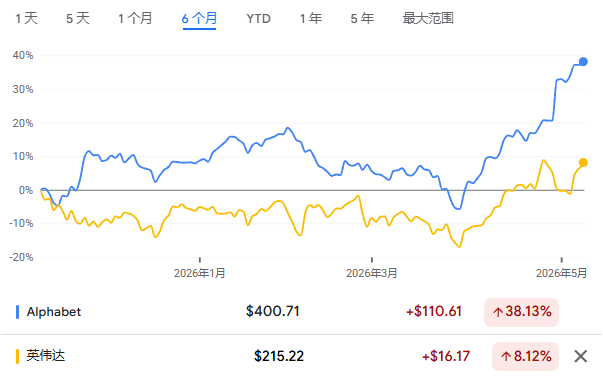
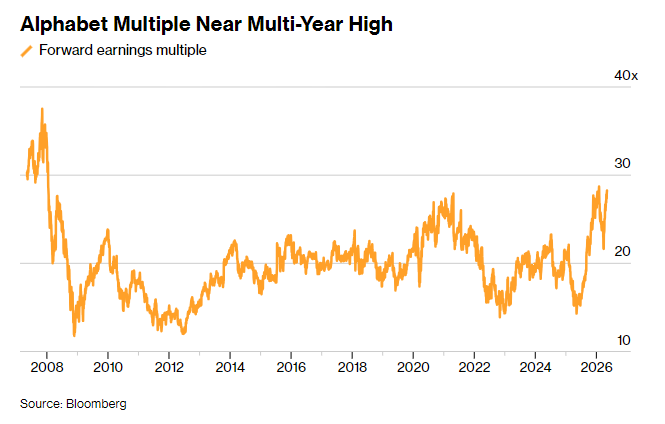
The moment the market opened, the "dream" was over
金融界·2026/05/11 00:06
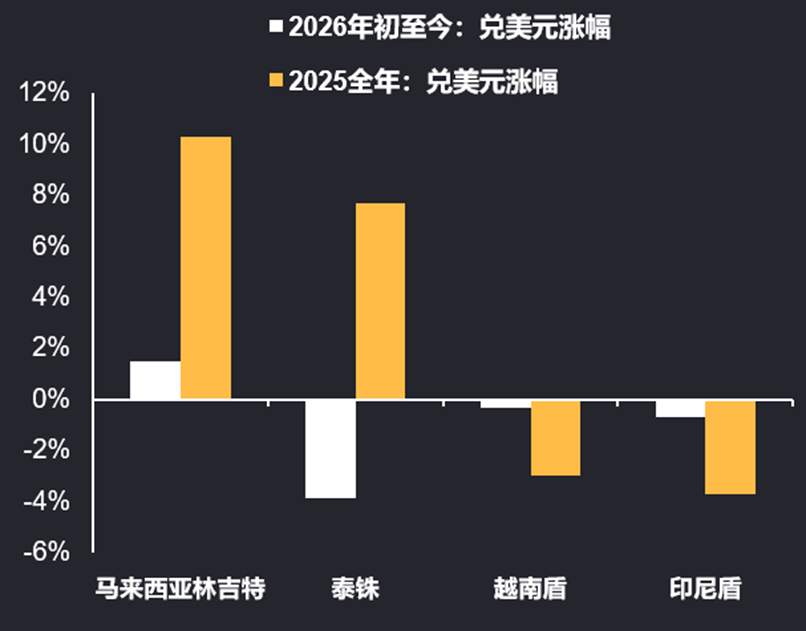
Southeast Asian Currency Series: Small Currencies Are Not Small Issues
硅基星芒·2026/05/10 23:58
BLUENEW fluctuated by 75.9% in 24 hours: low liquidity market leads to extreme price volatility
Bitget Pulse·2026/05/10 23:57

Flash
02:04
Multiple South Korean airlines cut flights due to high oil prices```htmlAccording to Golden Ten Data on May 11, South Korean aviation industry insiders stated on the 10th that due to the ongoing Iran conflict driving up jet fuel prices, multiple South Korean airlines have reduced about 900 round-trip flights and adopted emergency measures such as unpaid leave to ease operational pressures. It is expected that the scale of subsequent flight reductions will further increase. Facing mounting operating pressure, several airlines including Korean Air, Asiana Airlines, Jin Air, and T'way Air have taken emergency management actions. T'way Air and Jeju Air have implemented unpaid leave policies, while Jin Air has postponed distributing safety performance bonuses to employees.```
02:04
Emerging markets performed well during the Iran war; institutions such as BlackRock say traditional investment strategies are outdatedGlonghui, May 11 — Judging from the Middle East crisis that has lasted for more than two months, the traditional strategy of selling emerging market assets under market pressure is no longer a foolproof defensive trade. Emerging markets have long been regarded as one of the riskiest asset classes, but they performed unexpectedly well during the Iran war. Since the beginning of this year, emerging market stocks have risen by more than 20%, which is more than triple the increase in the S&P 500 Index. Emerging market currencies are at historical highs, and the yield premium over developed market bonds has remained stable. Investors at BlackRock, PGIM, Danske Bank, and Robeco say this is part of a broader trend, noting that the asset class has fundamentally changed: governments are increasing foreign exchange reserves, and increasingly sound institutions and policy-making are helping absorb market shocks. Meanwhile, policy shifts driven by Trump and the pressure faced by the Federal Reserve have shaken investors' confidence in the safety of US assets, prompting them to seek alternative investment targets.
02:04
Short-term trading suggestions for US crude oil: range oscillation, sell on rallies and buy on dips.(1) Analysis: The situation in the Middle East remains uncertain, and transportation risks through the Strait of Hormuz continue to support oil prices, while low U.S. crude inventories limit the potential for a pullback. However, a staged rebound in the U.S. Dollar Index and market concerns about high inflation have led to some profit-taking at high oil prices. From a technical perspective, WTI continues to maintain a high-level consolidation structure, and in the short term it may fluctuate repeatedly within the $95-100 range. (2) Key focus: Geopolitical situation, inventory data, U.S. Dollar Index. (3) Resistance: 100.00, 102.00, 105.00. (4) Support: 96.00, 95.00, 92.00.
News