
News
Stay up to date on the latest crypto trends with our expert, in-depth coverage.

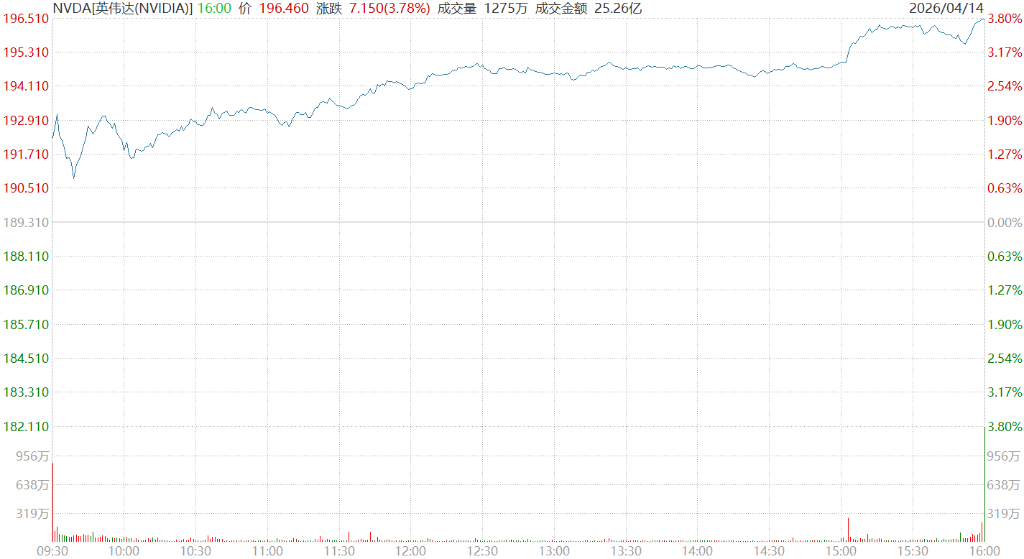
AI Trading Leads U.S. Stock Market Rebound, Nvidia Achieves "Ten Consecutive Gains"
华尔街见闻·2026/04/15 00:17

aPriori (APR) 24-hour volatility at 88.3%: Trading volume surge drives strong price rebound from low point
Bitget Pulse·2026/04/15 00:16
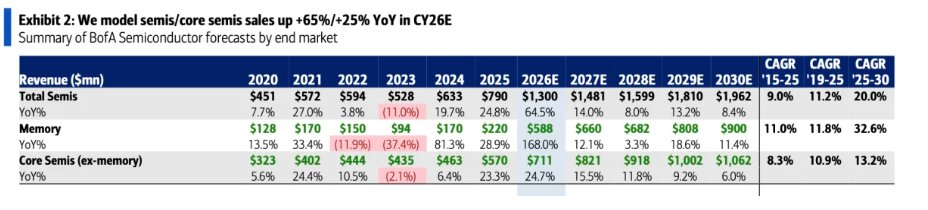

Triple Logical Game: Gold Price Shows "V-shaped" Rebound Again
新浪财经·2026/04/15 00:05
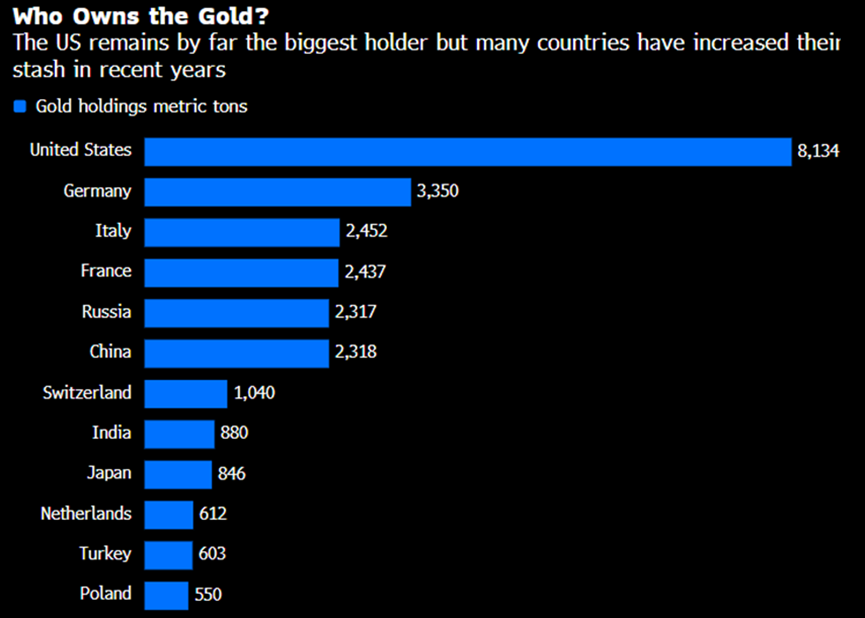
Central banks "sell" gold, what is the impact?
BFC汇谈·2026/04/15 00:01
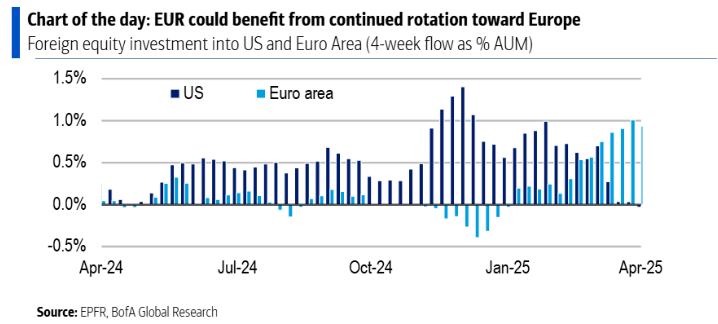
Critical April: Is De-dollarization Coming Again?
硅基星芒·2026/04/14 23:57
Flash
09:04
JPMorgan: S&P 500 Index Likely to Rise to 9,000 by Mid-Next Year, But Historical Patterns Warn of Unsustainable High ReturnsBlockBeats News, May 25th – In its latest report, JPMorgan Chase stated that although this is not its base case scenario, driven by the continuation of the tech capital expenditure cycle, the expansion of AI-related earnings contributions, and the improvement in market risk appetite, the S&P 500 Index is expected to rise to 9,000 by mid-2027.
The institution believes that the market may currently underestimate the probability of this upside scenario. If the index rises to 9,000, it would mean about a 20% further upside from the current level. The report stated that the Technology, Media, and Telecom sectors are still the core variables driving further upside in the index, especially whether AI investment can continue to translate into corporate revenue and profit growth, which will determine whether U.S. stocks can enter the next phase of uptrend.
However, there is a clear divergence of views within the market. The mainstream view on Wall Street is that after the rapid rebound from the March low, U.S. stocks are likely to enter a period of consolidation in the short term. The continuous rise in global bond yields will inhibit consumer spending and business investment, thereby dragging down economic growth. The energy shock triggered by the Iran situation will push up inflation and fuel prices, becoming a key risk factor of concern for central banks around the world.
In addition, from the perspective of historical trend patterns, it is difficult for a market rally with high returns for multiple years to sustain in the long term. Melissa Brown, Managing Director of Investment Decision Research at SimCorp, cited long-term market data, stating that since 1926, U.S. stocks have only achieved annualized returns of over 15% for four consecutive years three times, making such rallies very rare.
Brown also pointed out that after three consecutive years of annual returns exceeding 20%, the average return rate in the fourth year is only 3.9%, far below the historical average of 11.8%. She admitted that historical data cannot definitively determine this year's trend, and the AI sector still has the potential to drive the overall market higher. However, if this year indeed achieves low double-digit growth, the likelihood of the market continuing to rise next year will further diminish.
09:03
Japanese Prime Minister: It is possible to approve the budget without affecting the bond marketJinse Finance reported on May 25 that Japanese Prime Minister Sanae Takaichi stated the additional budget expenditure will be slightly above 3 trillion yen; it is possible to approve the budget without affecting the bond market.
09:03
Bhutan has transferred $237 million worth of BTC to Segwit addresses this year, and currently still holds $233 million in BTC.According to Odaily, Arkham monitoring shows that Bhutan recently transferred 90 BTC (worth $7 million) to a Segwit address, an action that may indicate asset transfer to an independent entity or a sale. Since the beginning of the year, Bhutan has transferred BTC worth $237 million from its wallet to Segwit addresses, and currently still holds BTC worth $233 million.
News